«…μέλος εναρμόνιον θεολογίας …» – Χορός ψαλτών «Οι Μαΐστορες της Ψαλτικής Τέχνης»
Βρείτε εισιτήρια →Πρακτικές Πληροφορίες
| Ημερομηνία | Πέμπτη 26 Νοεμβρίου |
|---|---|
| Τιμή | Με εισιτήριο |
| Εισιτήρια | Βρείτε εισιτήρια → |
| Χώρος | Μέγαρο Μουσικής Αθηνών (Ilisia) |
| Διεύθυνση | Vassilissis Sofias Avenue & Kokkali 1, Athens 115 21 |
Περιγραφή στα Αγγλικά
The first thing you watch may not be the choir. On the stage of the Christos Lambrakis Hall, the painter Giorgos Kordis makes an icon in real time — digital brushwork projected stroke by stroke onto the hall's screen — while the chanters of the Maistores tis Psaltikis Technis hold the drone beneath it and build melody on top. The concert's title, melos enarmonion theologias, translates as a harmonious melody of theology, and the evening takes the phrase at face value: sound and image composed together, live, in front of you.
Founded in 1983 by the musicologist Grigorios Stathis and directed since 2004 by Achilleas Chaldaiakis, the Maistores tis Psaltikis Technis have given more than five hundred performances across Europe, Asia, America and Australia — an ensemble rooted in university scholarship that treats Byzantine chant as living art. On Thursday 26 November the program draws its hymns from the services of the feast of the Holy Fathers, and carries the night's centrepiece inside it: the official world premiere of the complete Symbol of Faith — the Creed — set to music by Mark, Metropolitan of Corinth, in the first half of the fifteenth century, presented in the interpretation of Konstantinos Nikolakopoulos. The Megaron bills it as the chronologically first complete setting of the Creed in the Eastern ecclesiastical tradition: a score that has waited roughly six hundred years for this hearing.
The audience assembles from several directions: cantors from parish choirs listening with professional attention, musicology students tracking the modes, people who follow Kordis's icon painting and come for the image as much as the sound, and listeners who want this music without a liturgy attached.
The setting strips chant of its usual architecture. The Lambrakis Hall seats 1,960 beneath the pipe organ that fills its back wall — no incense, no iconostasis, no candlelight, just voices in a room built for orchestras. The vibe leans toward concentration rather than devotion; applause stands where litany would. The sound is unaccompanied psalmody — melody floated over the held ison, the drone that anchors Byzantine chant — with no instrument on stage; the only other tool at work is Kordis's digital brush. The door runs on standard Megaron terms: seven ticket tiers from 10 to 39 EUR, presale from 10 September, group bookings on 210 7282333.
Expect the evening to move between the familiar and the never-heard: hymns still sung in churches each year, then a premiere no living listener has heard complete — melos enarmonion theologias made literal. The upper circle of the Lambrakis Hall carries voices cleanly if the sound matters most to you; sit lower and central to watch the icon take shape on the screen. The Megaron sits directly above Megaro Moussikis metro, one stop from Syntagma, and the foyer rewards arriving twenty minutes early.
If Byzantine chant only makes sense to you inside a church, a concert-hall performance — house lights, printed program, applause — will feel like a translation. But if you want to hear a fifteenth-century score sung complete for the first time anywhere, this is the room where it happens.
A premiere six centuries in the making can only happen once — the Maistores sing it on 26 November.
Μέγαρο Μουσικής Αθηνών
Επόμενες εκδηλώσεις στο Μέγαρο Μουσικής Αθηνών
 ΣΥΝΑΥΛΙΑ
 ΣΥΝΑΥΛΙΑ
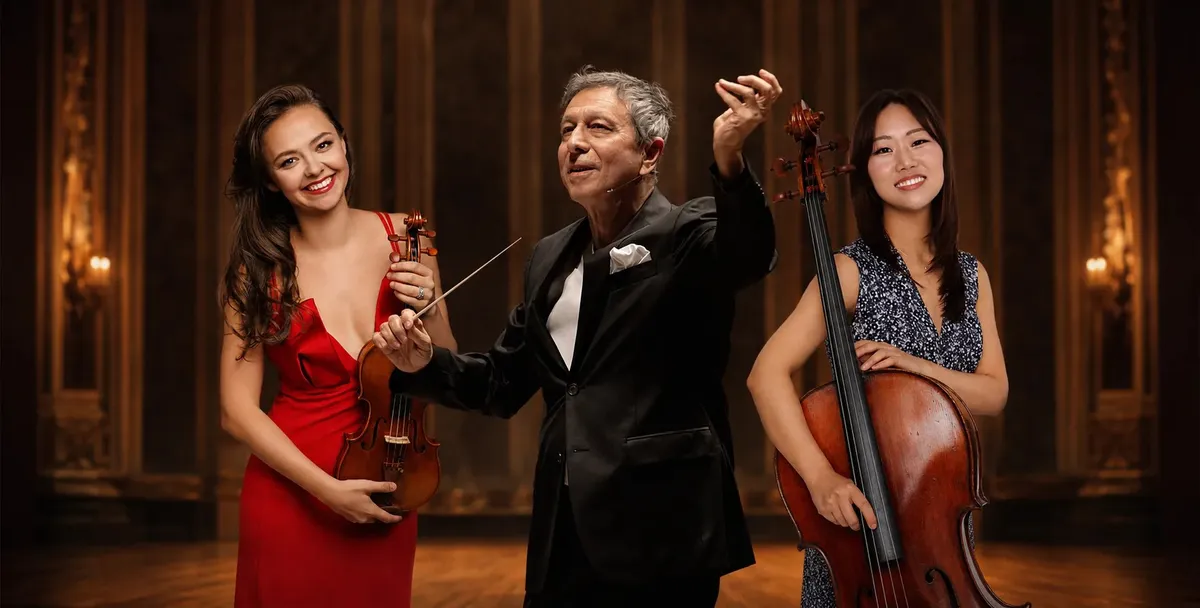
Εναρκτήρια συναυλία: Λουκάς Καρυτινός, Αλεξάνδρα Κονούνοβα και Χάννα Κιμ
Μέγαρο Μουσικής Αθηνών · Ιλίσια Με εισιτήριο ΘΕΑΤΡΟ
 ΣΥΝΑΥΛΙΑ
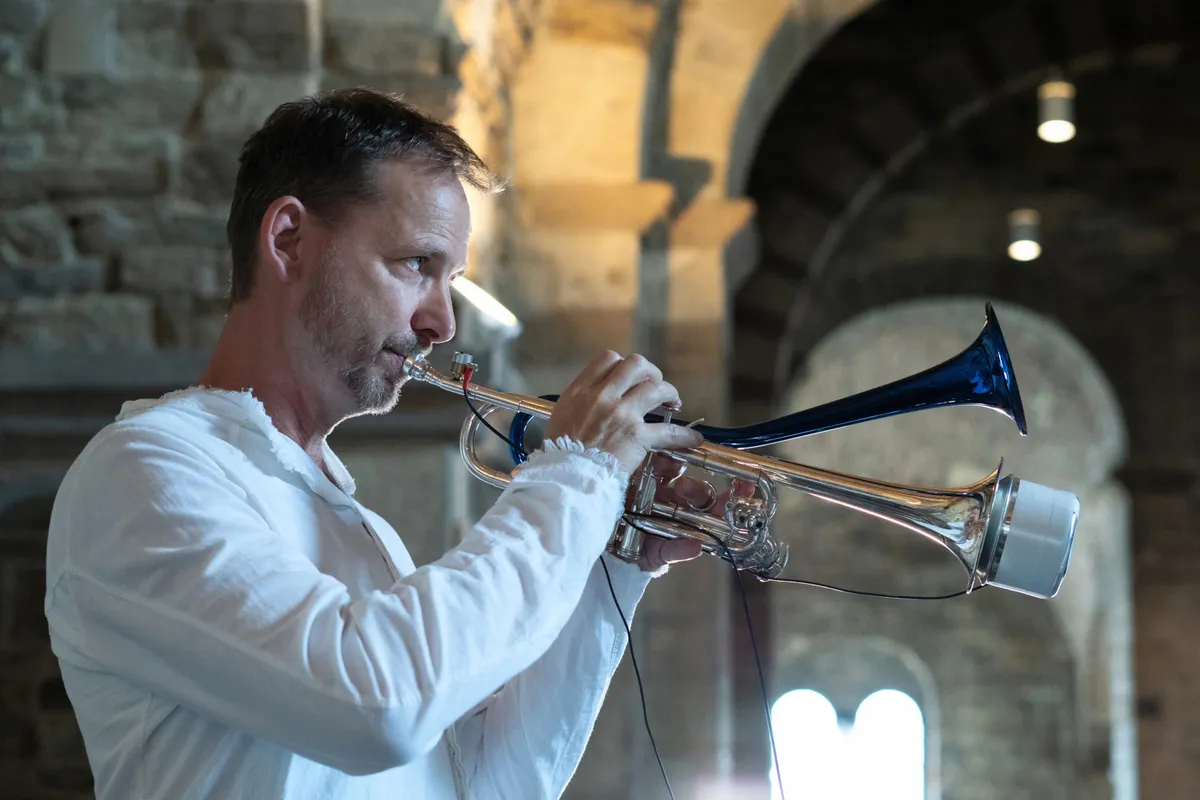
Γιώργος Απέργης 80 – Ρεσιτάλ τρομπέτας του Marco Blaauw
Μέγαρο Μουσικής Αθηνών · Ιλίσια Με εισιτήριο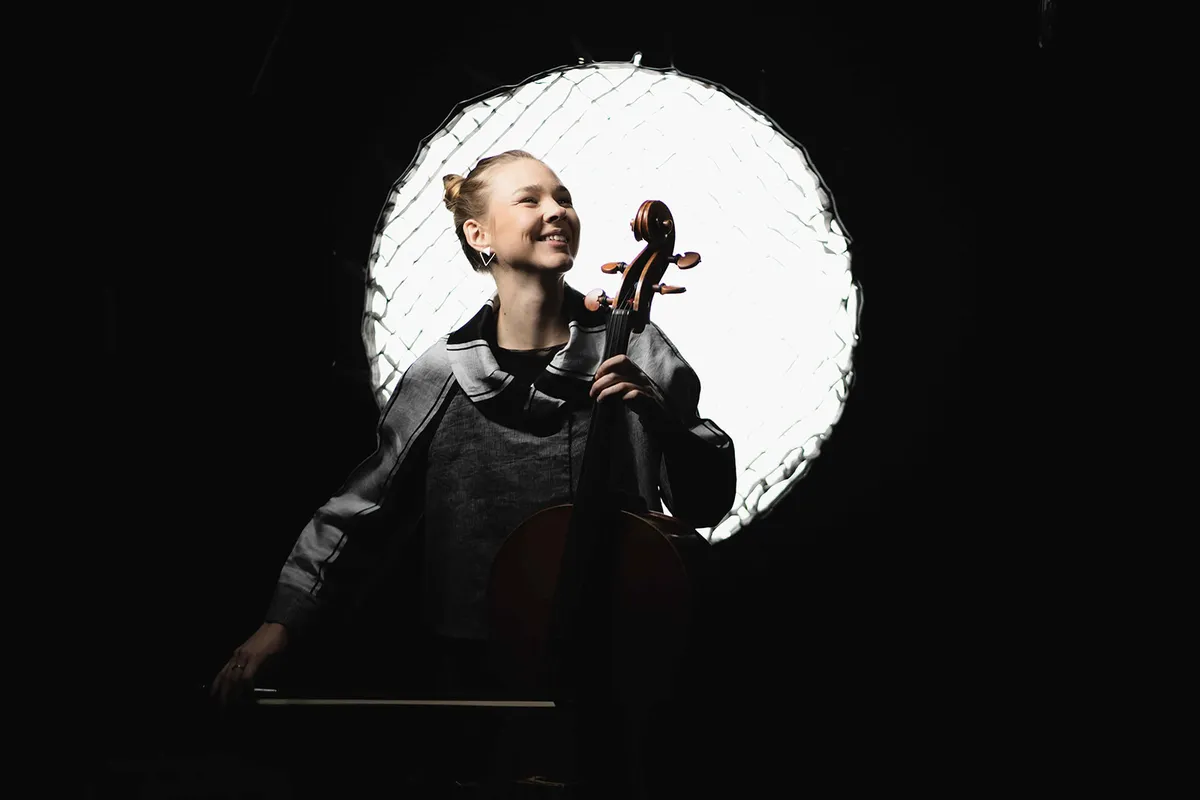 ΣΥΝΑΥΛΙΑ
Γιώργος Απέργης 80 – Ρεσιτάλ βιολοντσέλου της Valerie Fritz
Μέγαρο Μουσικής Αθηνών · Ιλίσια Με εισιτήριο ΣΥΝΑΥΛΙΑ