Ελληνική παραδοσιακή μεσογειακή διατροφή: χθες, σήμερα, αύριο – Αντωνία Τριχοπούλου
Βρείτε εισιτήρια →Πρακτικές Πληροφορίες
| Ημερομηνία | Πέμπτη 29 Οκτωβρίου |
|---|---|
| Τιμή | Με εισιτήριο |
| Εισιτήρια | Βρείτε εισιτήρια → |
| Χώρος | Μέγαρο Μουσικής Αθηνών (Ilisia) |
| Διεύθυνση | Vassilissis Sofias Avenue & Kokkali 1, Athens 115 21 |
Περιγραφή στα Αγγλικά
Why would a way of eating be a question of culture and economics as well as health? Antonia Trichopoulou puts that question at the centre of Greek Traditional Mediterranean Diet: Yesterday, Today, Tomorrow, a lecture at the Megaron, the Athens Concert Hall, on Thursday 29 October 2026 at 19:00 in the Dimitris Mitropoulos Hall. The Megaron frames it in one line: the traditional Mediterranean diet is recognised as a healthy and sustainable model, healthy for people and sustainable for the planet.
Trichopoulou is professor emerita of the Medical School of the National and Kapodistrian University of Athens and president of the Hellenic Health Foundation, and she headed the World Health Organization’s Collaborating Centre for Nutrition at the university. She has been called the “mother of the Mediterranean Diet”. Her research follows Greek volunteers from the general population through the Greek arm of the EPIC cohort; the 2009 BMJ paper “Anatomy of health effects of Mediterranean diet” came out of it. The Federation of European Nutrition Societies gave her its award for an outstanding career in 2011, and in December 2021 the Academy of Athens elected her a full member in the chair of Medical Sciences: Epidemiology and Public Health.
That membership is why she is on this stage. The lecture belongs to the Megaron’s series marking the 100th anniversary of the Academy of Athens, co-organised with the Academy itself. Journalist Vicky Flessa moderates.
The crowd for a talk like this reads the label before buying the olive oil, distrusts the diet trend of the month, and has followed Trichopoulou through years of Greek newspaper and podcast interviews without ever hearing her make the case in one sitting.
The setting is the Megaron’s second hall, 494 seats, usually given over to chamber music. The vibe is a public seminar rather than a gala. The sound is one amplified voice and then a conversation, with no interpretation listed. The door is open entry with online reservation, up to two places per person, and reservations open on Thursday 22 October 2026, one week before the lecture.
The title sets out the arc: what the traditional diet was, what is left of it now, and what it becomes next, with health, culture, economy and environment treated as one subject.
If you want recipes, a tasting or a cooking demonstration, this evening offers none of them. But if you want the epidemiology behind the olive oil from the scientist credited with putting the Mediterranean diet on the international map, this is the room.
The Megaron sits on Vasilissis Sofias, and Megaro Moussikis metro station connects to the building by an underground passage, so you arrive without crossing the avenue. With 494 seats and a limit of two reservations each, the morning of 22 October matters more than the evening of the 29th; places are booked through webtics.megaron.gr.
One lecture, one evening, and the Academy’s centenary gives it a date that will not come round again.
Μέγαρο Μουσικής Αθηνών
Επόμενες εκδηλώσεις στο Μέγαρο Μουσικής Αθηνών
 ΣΥΝΑΥΛΙΑ
 ΣΥΝΑΥΛΙΑ
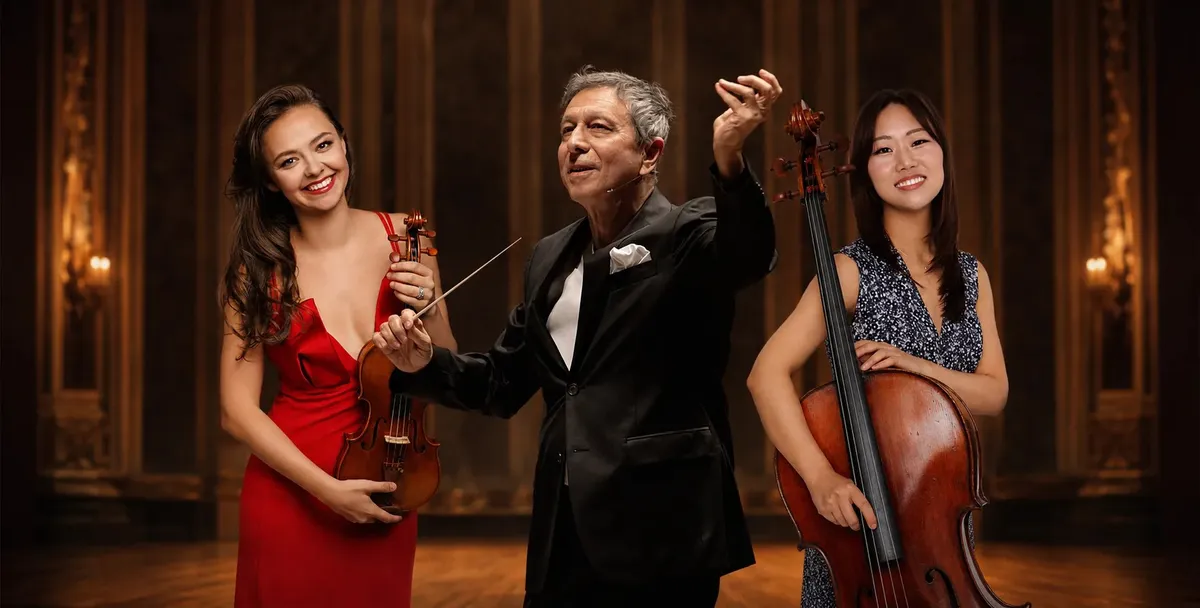
Εναρκτήρια συναυλία: Λουκάς Καρυτινός, Αλεξάνδρα Κονούνοβα και Χάννα Κιμ
Μέγαρο Μουσικής Αθηνών · Ιλίσια Με εισιτήριο ΘΕΑΤΡΟ
 ΣΥΝΑΥΛΙΑ
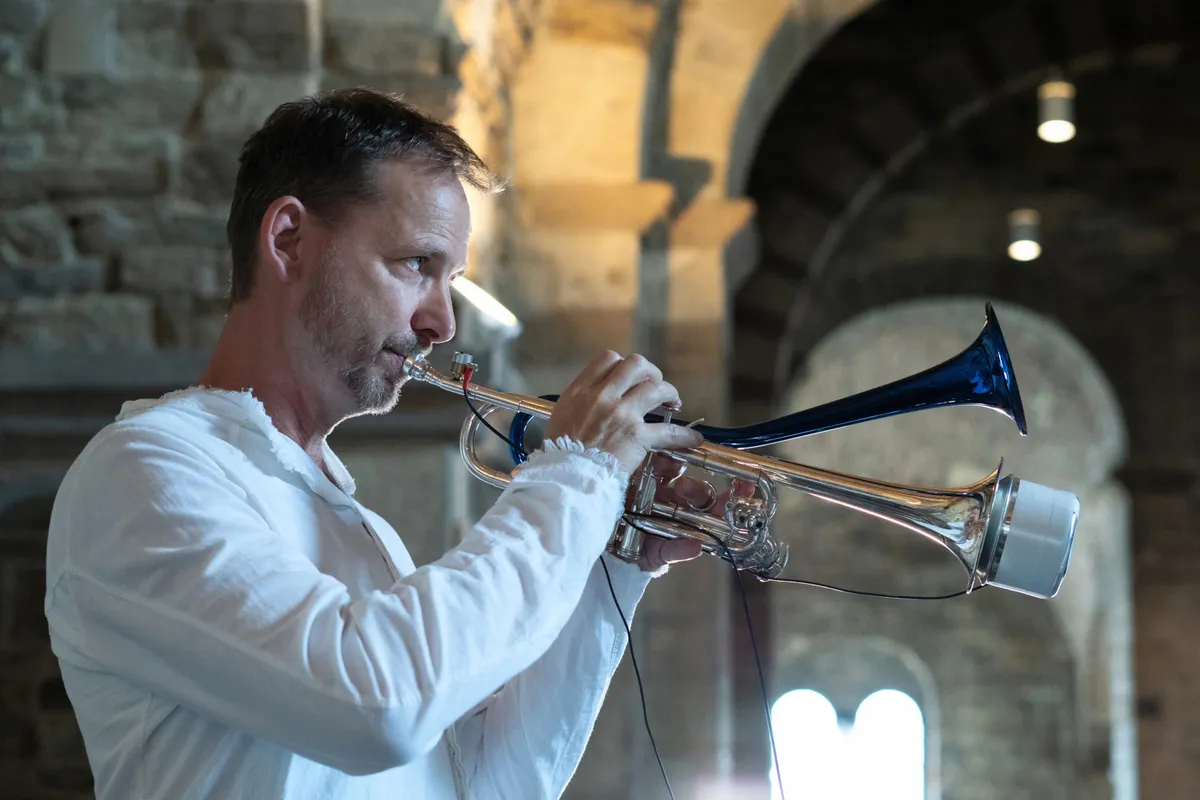
Γιώργος Απέργης 80 – Ρεσιτάλ τρομπέτας του Marco Blaauw
Μέγαρο Μουσικής Αθηνών · Ιλίσια Με εισιτήριο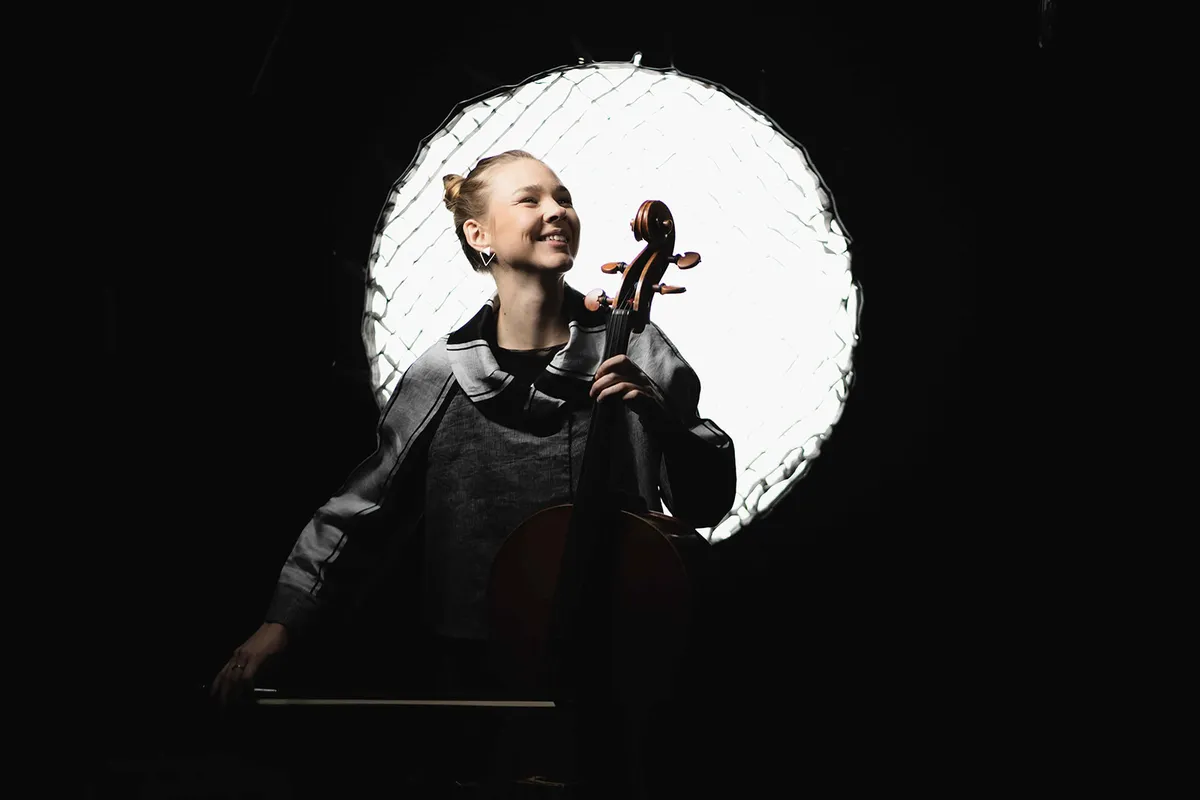 ΣΥΝΑΥΛΙΑ
Γιώργος Απέργης 80 – Ρεσιτάλ βιολοντσέλου της Valerie Fritz
Μέγαρο Μουσικής Αθηνών · Ιλίσια Με εισιτήριο ΣΥΝΑΥΛΙΑ