MAESTRA: Γυναίκες αρχιμουσικοί της εποχής μας
Βρείτε εισιτήρια →Πρακτικές Πληροφορίες
| Ημερομηνία | Τετάρτη 25 Νοεμβρίου |
|---|---|
| Τιμή | Με εισιτήριο |
| Εισιτήρια | Βρείτε εισιτήρια → |
| Χώρος | Μέγαρο Μουσικής Αθηνών (Ilisia) |
| Διεύθυνση | Vassilissis Sofias Avenue & Kokkali 1, Athens 115 21 |
Περιγραφή στα Αγγλικά
For most of the twentieth century, the figure on the podium was a man with total authority over a hundred musicians. MAESTRA: Γυναίκες αρχιμουσικοί της εποχής μας (Women Conductors of Our Time) is an evening about how that picture came apart. It is a lecture at 18:30 on Wednesday 25 November 2026 in the MusiXLab of the Lilian Voudouri Music Library at Megaron Mousikis (Μέγαρο Μουσικής Αθηνών).
The speaker is Giannis Mourelos, Professor Emeritus of Contemporary History at Aristotle University of Thessaloniki. He is a historian rather than a musicologist, and alongside his academic work he has built up a series of audiovisual music evenings at the Teloglion Foundation of Arts in Thessaloniki. They have covered music and cinema, and five cities (London, Paris, Rome, Prague, New York) seen through works written for them. Mourelos presented MAESTRA at Teloglion before bringing it to Athens. The Athens date is organised by the Friends of Music Society (Oi Filoi tis Mousikis) together with the Music Library.
This talk draws a particular crowd: library regulars who know the reading rooms better than the concert halls, subscribers who have watched the podium change across a few decades of seasons, conservatory students deciding what a career with a baton might look like, and listeners who argue about conductors the way others argue about football managers.
The setting is MusiXLab, the Lilian Voudouri Music Library's space where music meets technology, inside the Megaron. The vibe is an early-evening lecture, a historian's look at who holds the baton. The sound is spoken argument, because the Megaron lists the format as a lecture, not a concert. At the door, entry is open, with registration required through the Music Library at mmb.org.gr.
The premise comes straight from the organisers' note. Over the last twenty years, women conductors have begun to fill concert halls. Shortly before his death, the American conductor Lorin Maazel said he was convinced that the future of the orchestra belongs to women. Nobody knows how far ahead he meant by "future", or whether music now stands at the edge of a real upheaval. The note is certain of one thing: one of the last male-dominated strongholds has fallen for good. MAESTRA sets out a way of understanding and practising the conductor's job that is the direct opposite of the maestro-dictator, a figure who owned almost the whole of the last century and now belongs to history. Mourelos treats the podium the way a historian treats any seat of power: who held it, how they held it, and what changed when the holder changed.
If you want to hear an orchestra play, this is an evening about the person standing in front of one, and there will be no downbeat. But if you have ever wondered why the word "maestro" still sounds male, and whether it has to, Mourelos brings a historian's answer to that question.
The Megaron stands beside Megaro Mousikis metro station, so it is accessible by metro. Entry is open, but the Music Library asks you to register in advance at mmb.org.gr, so a seat depends on registering rather than on showing up at the door.
MAESTRA comes to Athens for one night only, and then the podium goes back to the conductors themselves.
Μέγαρο Μουσικής Αθηνών
Επόμενες εκδηλώσεις στο Μέγαρο Μουσικής Αθηνών
 ΣΥΝΑΥΛΙΑ
 ΣΥΝΑΥΛΙΑ
Εναρκτήρια συναυλία: Λουκάς Καρυτινός, Αλεξάνδρα Κονούνοβα και Χάννα Κιμ
Μέγαρο Μουσικής Αθηνών · Ιλίσια Με εισιτήριο ΘΕΑΤΡΟ
 ΣΥΝΑΥΛΙΑ
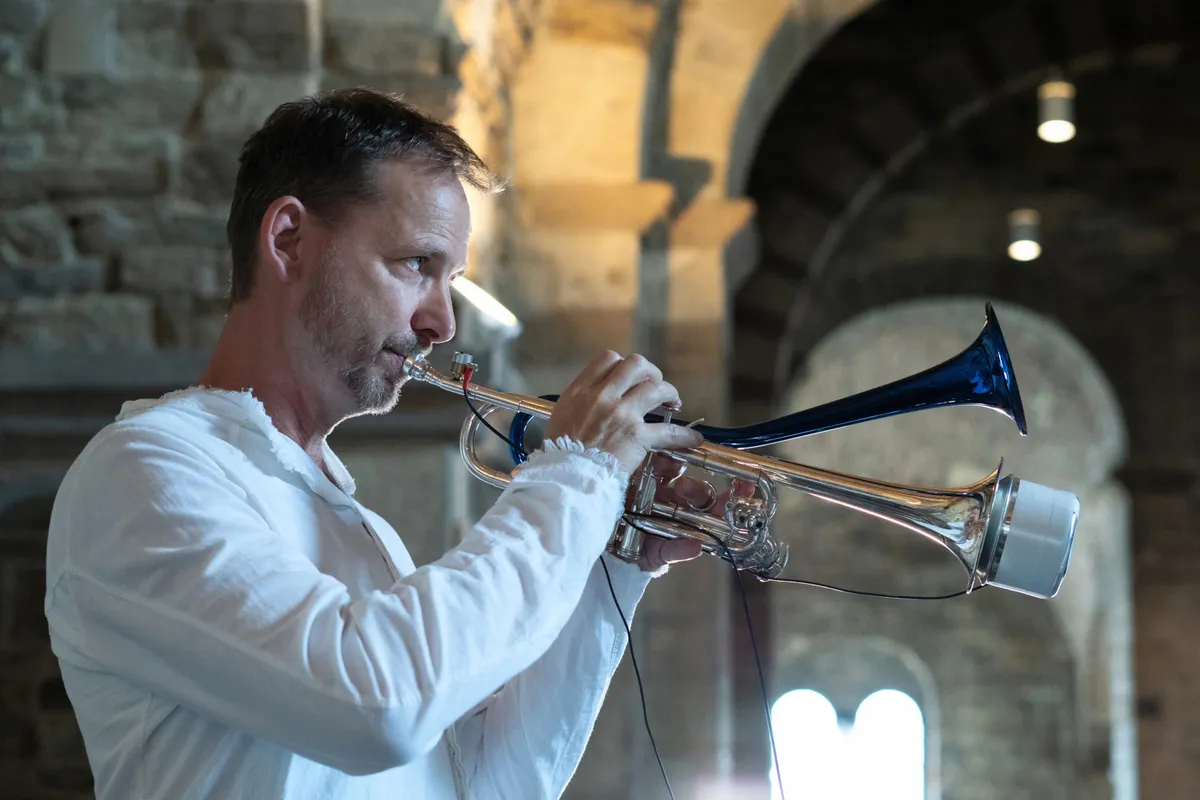
Γιώργος Απέργης 80 – Ρεσιτάλ τρομπέτας του Marco Blaauw
Μέγαρο Μουσικής Αθηνών · Ιλίσια Με εισιτήριο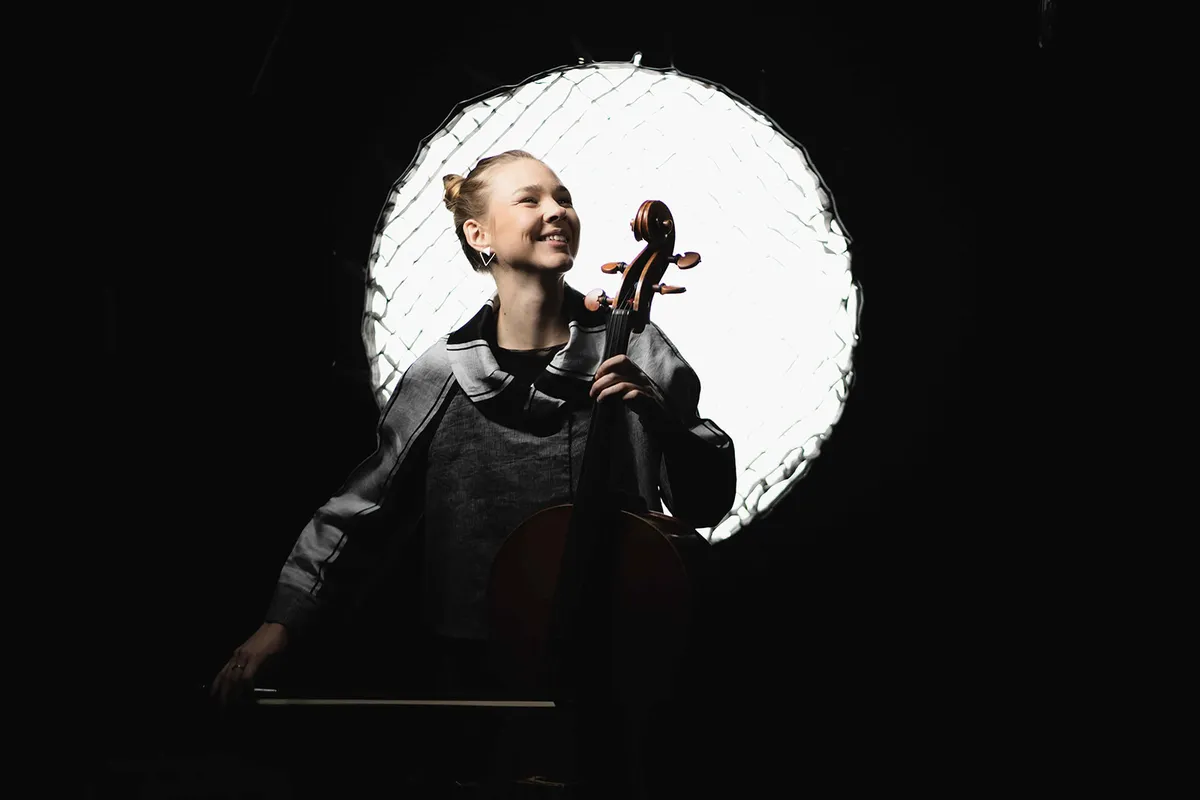 ΣΥΝΑΥΛΙΑ
Γιώργος Απέργης 80 – Ρεσιτάλ βιολοντσέλου της Valerie Fritz
Μέγαρο Μουσικής Αθηνών · Ιλίσια Με εισιτήριο ΣΥΝΑΥΛΙΑ