Τσαϊκόφσκι, Τέταρτη Συμφωνία
Βρείτε εισιτήρια →Πρακτικές Πληροφορίες
| Ημερομηνία | Παρασκευή 19 Μαρτίου |
|---|---|
| Τιμή | Με εισιτήριο |
| Εισιτήρια | Βρείτε εισιτήρια → |
| Χώρος | Μέγαρο Μουσικής Αθηνών (Ilisia) |
| Διεύθυνση | Vassilissis Sofias Avenue & Kokkali 1, Athens 115 21 |
Περιγραφή στα Αγγλικά
An angel opens the evening; Fate answers after the interval. That is the architecture of ΤΣΑΪΚΟΦΣΚΙ, ΤΕΤΑΡΤΗ ΣΥΜΦΩΝΙΑ at the Megaron's Christos Lambrakis Hall on Friday 19 March 2027 at 20:30 — Konstantia Gourzi's viola concerto Ishaón, the Angel in the Golden Garden in the first half, and Tchaikovsky's Fourth Symphony, the one that begins with the brass fanfare the composer himself named Fate, in the second.
The soloist is Nils Mönkemeyer, the German violist the concerto was written for: he gave its premiere with the Bremen Philharmonic in February 2026, and he has already recorded an album of Gourzi's music, Whispers, with pianist William Youn. Gourzi, born in Athens in 1962 and recently composer in residence with that same Bremen orchestra, builds the piece as eleven episodes for viola and orchestra, part of a run of works in her catalogue that circle around angels. On the podium stands Yorgos Ziavras, principal conductor of Oper Wuppertal and a regular guest at the Greek National Opera since 2017, leading the Athens State Orchestra — the Megaron's orchestra in residence.
The stalls split into two audiences: the symphonic core who come for the Tchaikovsky and take the new work as a bonus, and the new-music contingent — composers, conservatory students, and violists, who do not get many concerto nights for their instrument — who have it exactly the other way around. Both camps stay for the whole evening; the programme is built so that neither half spoils the other.
The setting is the Lambrakis Hall's 1,960 seats and their long sightlines to a solo viola standing where the piano usually does. The vibe is attentive rather than formal. The sound moves from a concerto barely a year off its premiere to the full late-Romantic engine of the Fourth — the Fate fanfare, a third movement played entirely by plucked strings, a finale that quotes the folk song In the Field Stood a Birch Tree. At the door, ticket holders can arrive at 19:30 for the introductory talk, which on a programme with a brand-new concerto earns its half hour.
Tchaikovsky wrote the Fourth in 1877–78 and dedicated it "to my best friend" — his patron Nadezhda von Meck, whom he never met face to face. The symphony carries that strange intimacy: private turmoil scored for public forces, ending in a finale that tries to outrun the opening fanfare and only just manages it.
If you only want music older than a century, half of this evening was finished in this decade, and it comes first. But if you want to hear a concerto while its premiere still counts as news — and then feel what a full Romantic symphony does to this hall — the pairing is the point.
The Megaron stands directly above Megaro Moussikis metro station. Tickets run 15 to 25 EUR with an 8 EUR concession tier — less than half the top price of the orchestra's Bronfman and Beethoven nights the same season — on sale from 27 July 2026 through webtics.megaron.gr and the box office.
The angel gets the first word, Fate gets the last, and the two share a stage for a single evening.
Μέγαρο Μουσικής Αθηνών
Επόμενες εκδηλώσεις στο Μέγαρο Μουσικής Αθηνών
 ΣΥΝΑΥΛΙΑ
 ΣΥΝΑΥΛΙΑ
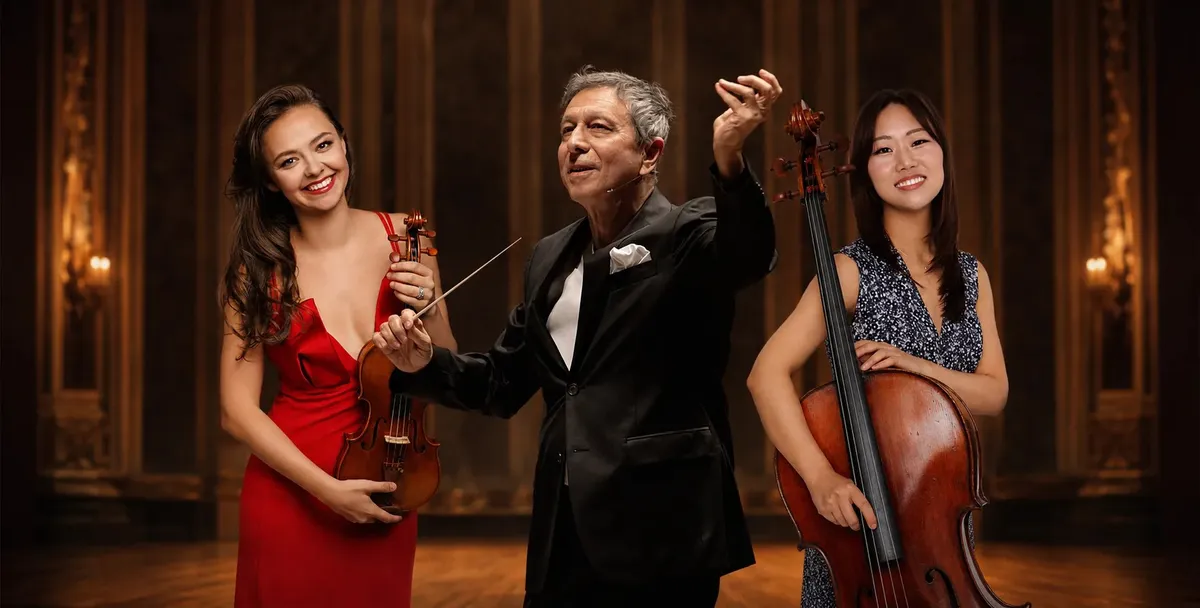
Εναρκτήρια συναυλία: Λουκάς Καρυτινός, Αλεξάνδρα Κονούνοβα και Χάννα Κιμ
Μέγαρο Μουσικής Αθηνών · Ιλίσια Με εισιτήριο ΘΕΑΤΡΟ
 ΣΥΝΑΥΛΙΑ
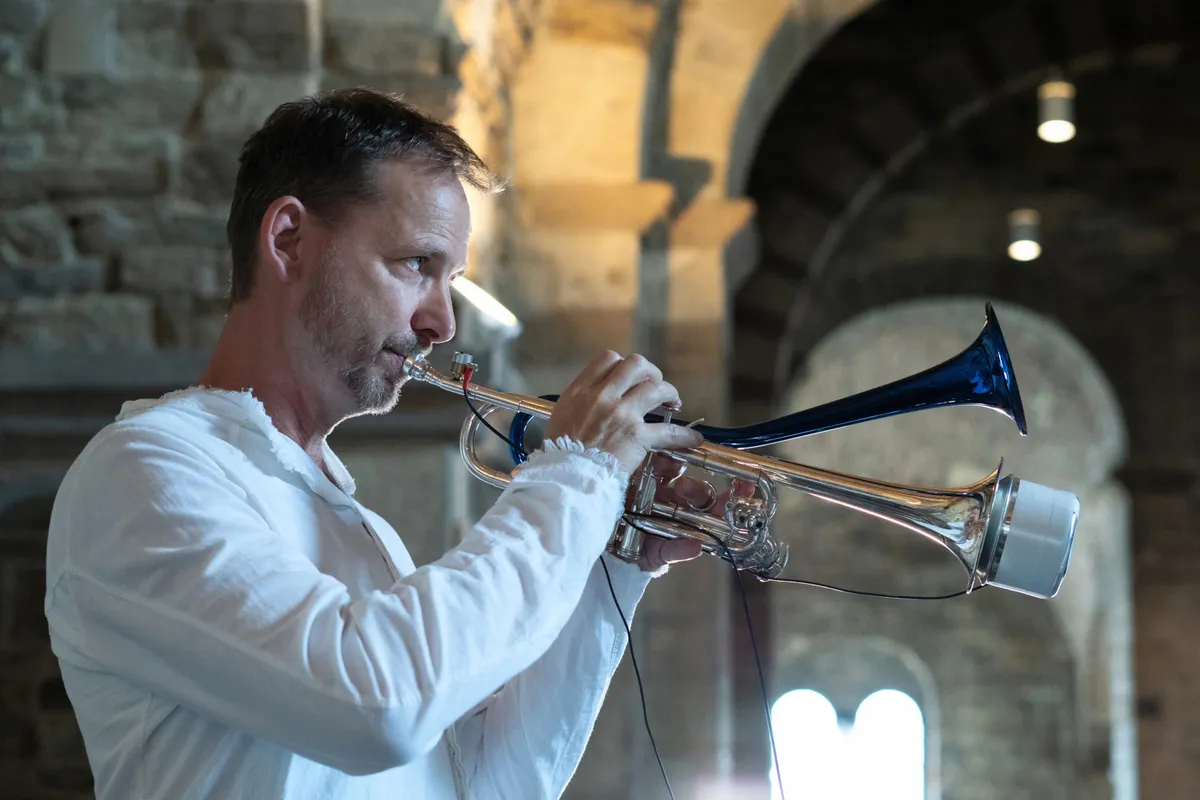
Γιώργος Απέργης 80 – Ρεσιτάλ τρομπέτας του Marco Blaauw
Μέγαρο Μουσικής Αθηνών · Ιλίσια Με εισιτήριο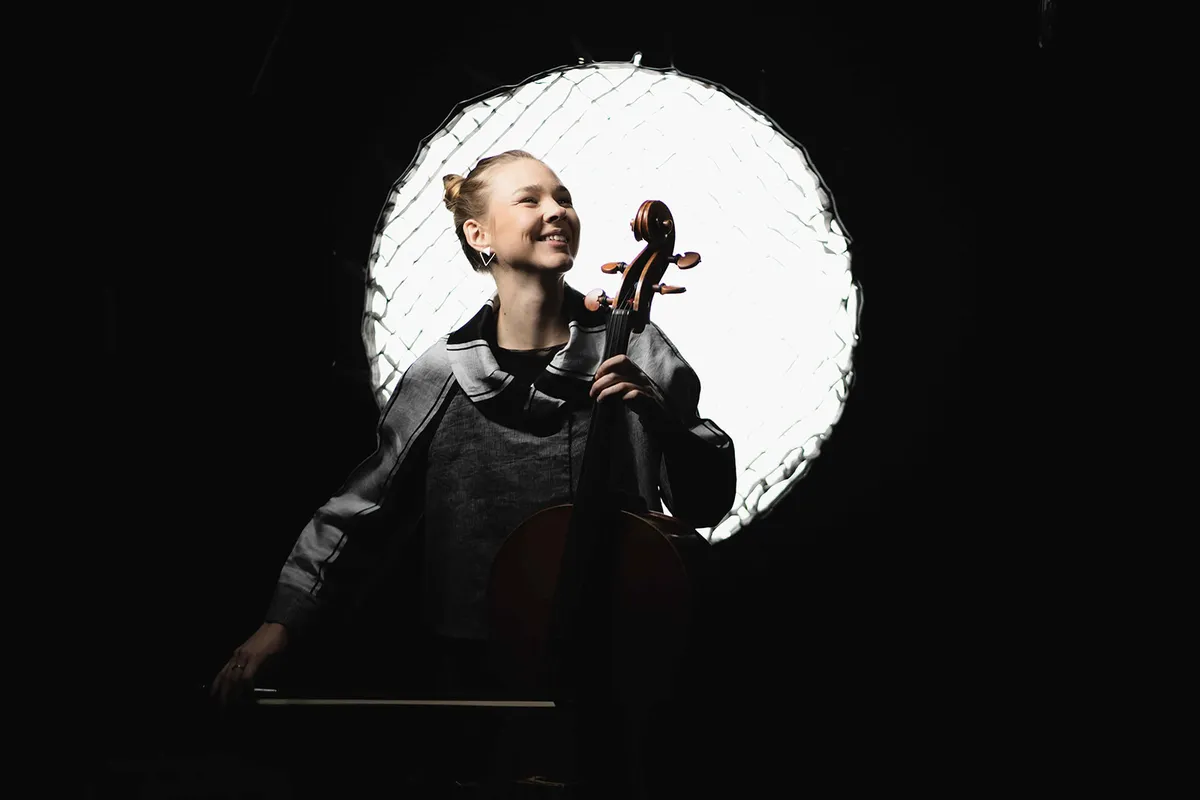 ΣΥΝΑΥΛΙΑ
Γιώργος Απέργης 80 – Ρεσιτάλ βιολοντσέλου της Valerie Fritz
Μέγαρο Μουσικής Αθηνών · Ιλίσια Με εισιτήριο ΣΥΝΑΥΛΙΑ