Σούμαν και Μπρούκνερ – Πάμπλο Φεράντεθ, Λουκάς Καρυτινός
Βρείτε εισιτήρια →Πρακτικές Πληροφορίες
| Ημερομηνία | Παρασκευή 16 Απριλίου |
|---|---|
| Τιμή | Με εισιτήριο |
| Εισιτήρια | Βρείτε εισιτήρια → |
| Χώρος | Μέγαρο Μουσικής Αθηνών (Ilisia) |
| Διεύθυνση | Vassilissis Sofias Avenue & Kokkali 1, Athens 115 21 |
Περιγραφή στα Αγγλικά
Robert Schumann wrote his Cello Concerto in two weeks of October 1850 and never heard it played; it premiered in 1860, four years after his death. Anton Bruckner waited until sixty for his first public triumph, the Leipzig premiere of the Seventh Symphony in 1884. On Friday 16 April 2027 at 20:30, the Athens State Orchestra sets the two side by side in the Megaron's Christos Lambrakis Hall: the concerto its composer never heard, played by Pablo Ferrández, and the symphony that finally made Bruckner's name, conducted by Loukas Karytinos.
The credentials are specific. Ferrández took a prize at the XV International Tchaikovsky Competition, records exclusively for Sony Classical — his debut album Reflections won an Opus Klassik award — and plays the 1689 "Archinto" Stradivarius, on long-term loan. Karytinos has directed the Athens State Orchestra since 2020, after a career anchored at the Greek National Opera, where he served as artistic director from 1999 to 2005 — opera-house patience that suits a programme like this one.
The Schumann is the evening's inward half: three movements played without a break, the cello arguing quietly through the orchestra rather than over it, conversation instead of display. The Bruckner is the outward half: more than an hour of slow-building spans, with an Adagio scored for a quartet of Wagner tubas and completed in mourning for Richard Wagner, who died while Bruckner was writing it.
A night like this draws the Megaron's classical core: subscribers who plan an April Friday nine months out, listeners who treat the pre-concert talk as part of the ticket, score-readers in the cheaper zones who follow the tuba chorale with closed eyes. Expect real quiet before the downbeat and a held beat of silence before the applause.
The setting is the 1,960-seat Christos Lambrakis Hall, the Megaron's main stage, with the Megaro Moussikis metro station directly beside the building. The vibe is formal without being stiff — jackets common, never required. The sound is the argument itself: one cello held against full late-Romantic brass in a hall known for its acoustics. The door works in two stages: ticket holders can come at 19:30 for the introductory lecture, and the concert begins at 20:30.
If a symphony that assembles its climaxes geologically, over an hour and more, sounds like an endurance test, this programme will feel long. But if you want a single evening that travels from a whispered concerto to a brass chorale in full cry, this pairing is the standing argument for what a symphony orchestra is for.
Tickets run 20 to 50 EUR, with discounted seats at 12 EUR. Presale opens 27 July 2026 through webtics.megaron.gr and the Megaron box office, when the orchestra's whole Megaron season goes on sale at once.
Schumann never heard this concerto. You can, one Friday next April.
Μέγαρο Μουσικής Αθηνών
Επόμενες εκδηλώσεις στο Μέγαρο Μουσικής Αθηνών
 ΣΥΝΑΥΛΙΑ
 ΣΥΝΑΥΛΙΑ
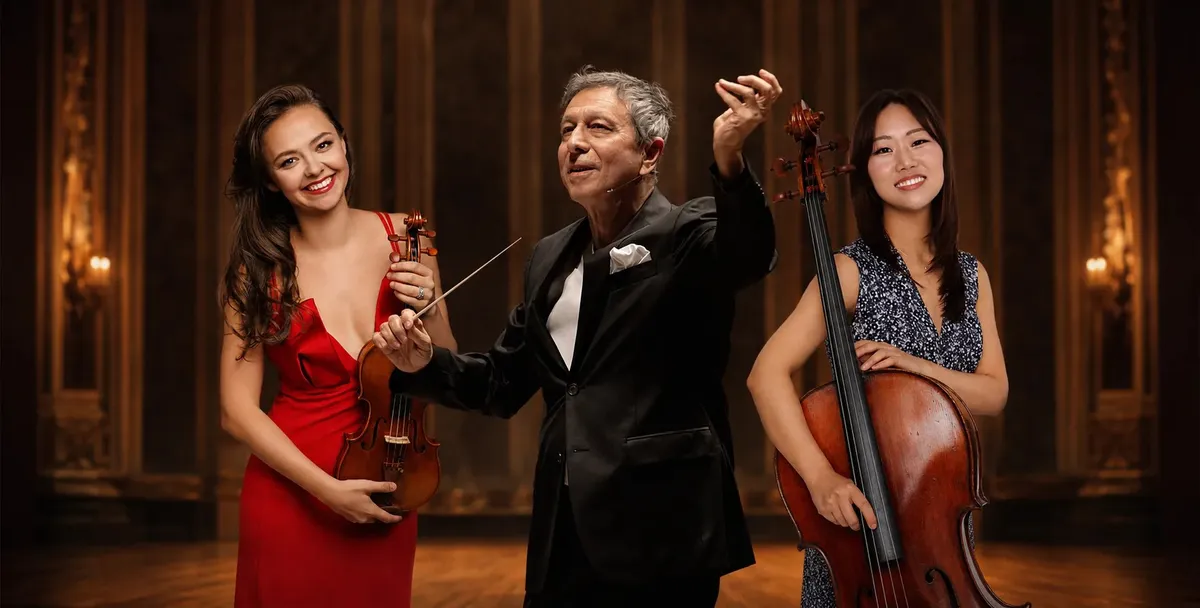
Εναρκτήρια συναυλία: Λουκάς Καρυτινός, Αλεξάνδρα Κονούνοβα και Χάννα Κιμ
Μέγαρο Μουσικής Αθηνών · Ιλίσια Με εισιτήριο ΘΕΑΤΡΟ
 ΣΥΝΑΥΛΙΑ
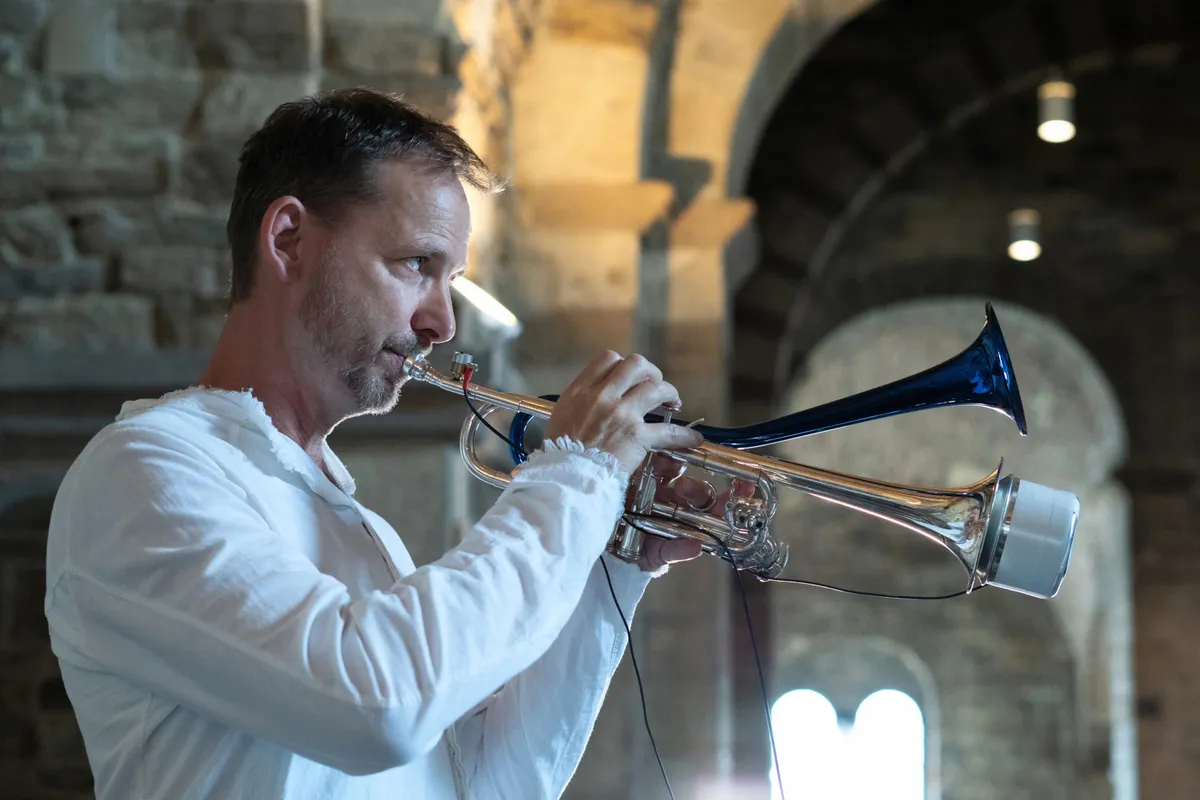
Γιώργος Απέργης 80 – Ρεσιτάλ τρομπέτας του Marco Blaauw
Μέγαρο Μουσικής Αθηνών · Ιλίσια Με εισιτήριο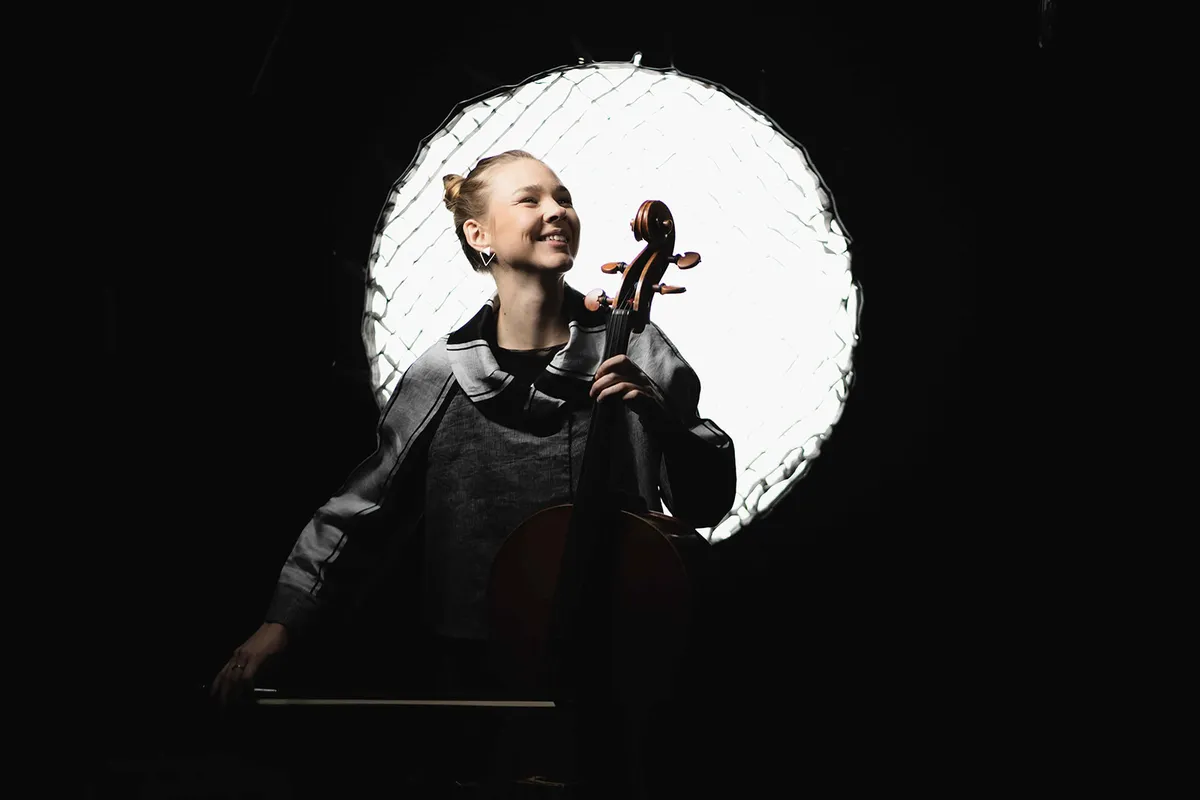 ΣΥΝΑΥΛΙΑ
Γιώργος Απέργης 80 – Ρεσιτάλ βιολοντσέλου της Valerie Fritz
Μέγαρο Μουσικής Αθηνών · Ιλίσια Με εισιτήριο ΣΥΝΑΥΛΙΑ