Ηρωική του Μπετόβεν
Βρείτε εισιτήρια →Πρακτικές Πληροφορίες
| Ημερομηνία | Παρασκευή 4 Δεκεμβρίου |
|---|---|
| Τιμή | Με εισιτήριο |
| Εισιτήρια | Βρείτε εισιτήρια → |
| Χώρος | Μέγαρο Μουσικής Αθηνών (Ilisia) |
| Διεύθυνση | Vassilissis Sofias Avenue & Kokkali 1, Athens 115 21 |
Περιγραφή στα Αγγλικά
There is a hole in the title page of Beethoven's Third Symphony where Napoleon's name used to be. The composer had inscribed the score to Bonaparte, and when word reached Vienna that Napoleon had crowned himself emperor, Beethoven scratched the name out so hard the paper tore. What survived is the "Eroica" — the symphony that made the form bigger, longer and angrier than anything before it, with a funeral march planted in its heart.
The Athens State Orchestra — the Megaron's orchestra in residence — programmes it as the centrepiece of the Beethoven Year, the cycle built around the 200th anniversary of the composer's death in 1827; the Greek billing is simply «Ηρωική». On the podium is the Israeli conductor Yoav Talmi, who led the Québec Symphony for more than a decade. At the piano, Isata Kanneh-Mason, eldest of the Kanneh-Mason siblings, whose 2019 Decca debut Romance — the piano music of Clara Schumann — went to number one on the UK classical chart. She plays Mozart's Piano Concerto No. 27 in B-flat, K. 595: the last piano concerto Mozart completed, premiered in 1791, the final year of his life — music that faces its ending by getting quieter, where the Eroica answers by getting louder. The evening opens with a new work commissioned by the Athens State Orchestra from Nikos Kypourgos, putting a living Greek voice at the front of the programme.
The Christos Lambrakis Hall fills for a night like this with the Megaron's winter regulars: season-ticket holders who plan their Decembers around the orchestra's big statements, piano students who want to sit close enough to watch Kanneh-Mason's hands, and listeners who come out once a year for a symphony they already love.
The setting is the Lambrakis Hall of the Megaron — the Athens Concert Hall (Μέγαρο Μουσικής) — with close to two thousand seats raked toward the stage. The vibe is big-occasion classical: hush in the hall, slow-moving crowds in the foyer. The sound is a full symphony orchestra working at romantic-era scale. The door: Friday 4 December 2026, 20:30, tickets from 20 to 50 EUR with concessions at 12 EUR.
Seat knowledge matters here: the upper circle carries the hall's sound cleanly at a lower price, while the centre stalls are the seats for watching a pianist work.
If you need a concert to stay inside the canon from the first note, know that the night begins with the Kypourgos commission before a bar of Mozart or Beethoven arrives. But if you want the Eroica set in a full frame — a new work, a farewell concerto, then the symphony that changed the scale of the form — the programme itself is the argument.
The Megaron sits directly above Megaro Moussikis metro station, one stop from Syntagma. Presale opens on 27 July 2026.
Two hundred years after the composer's death, the torn title page still opens the argument — and the Ηρωική answers it in Athens for a single December evening.
Μέγαρο Μουσικής Αθηνών
Επόμενες εκδηλώσεις στο Μέγαρο Μουσικής Αθηνών
 ΣΥΝΑΥΛΙΑ
 ΣΥΝΑΥΛΙΑ
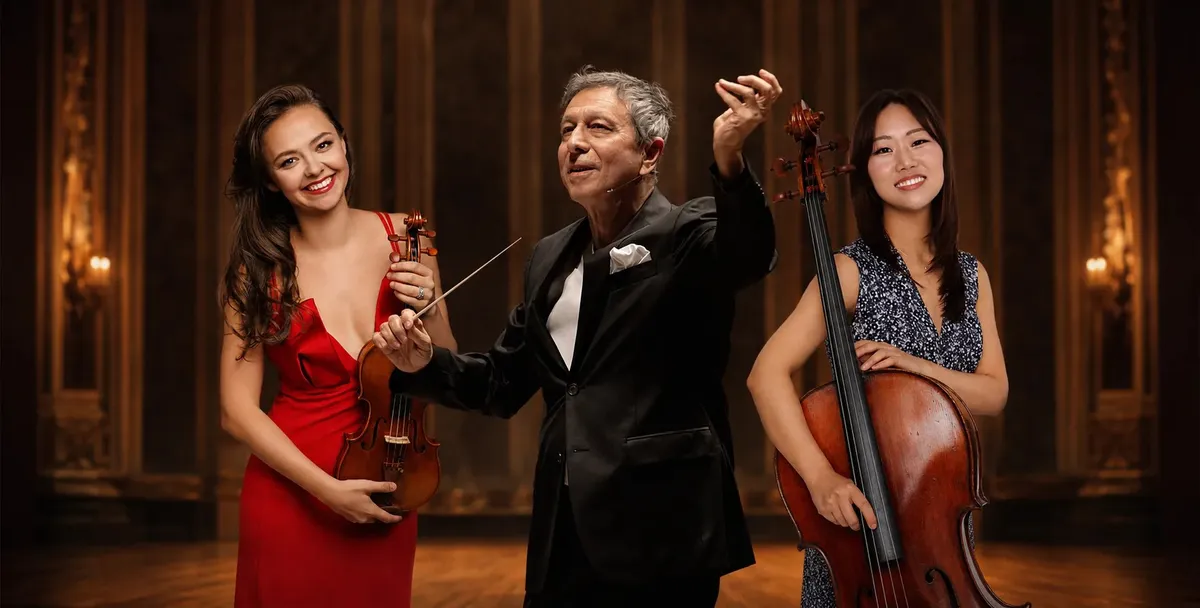
Εναρκτήρια συναυλία: Λουκάς Καρυτινός, Αλεξάνδρα Κονούνοβα και Χάννα Κιμ
Μέγαρο Μουσικής Αθηνών · Ιλίσια Με εισιτήριο ΘΕΑΤΡΟ
 ΣΥΝΑΥΛΙΑ
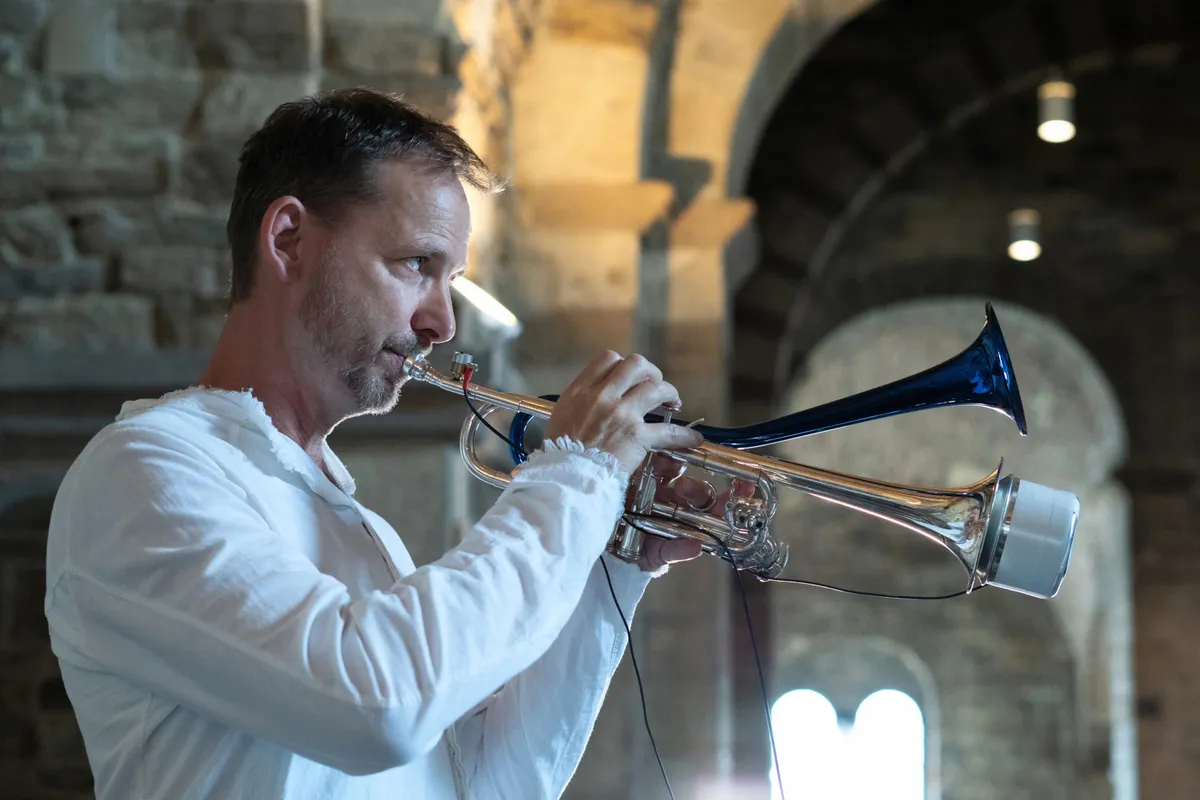
Γιώργος Απέργης 80 – Ρεσιτάλ τρομπέτας του Marco Blaauw
Μέγαρο Μουσικής Αθηνών · Ιλίσια Με εισιτήριο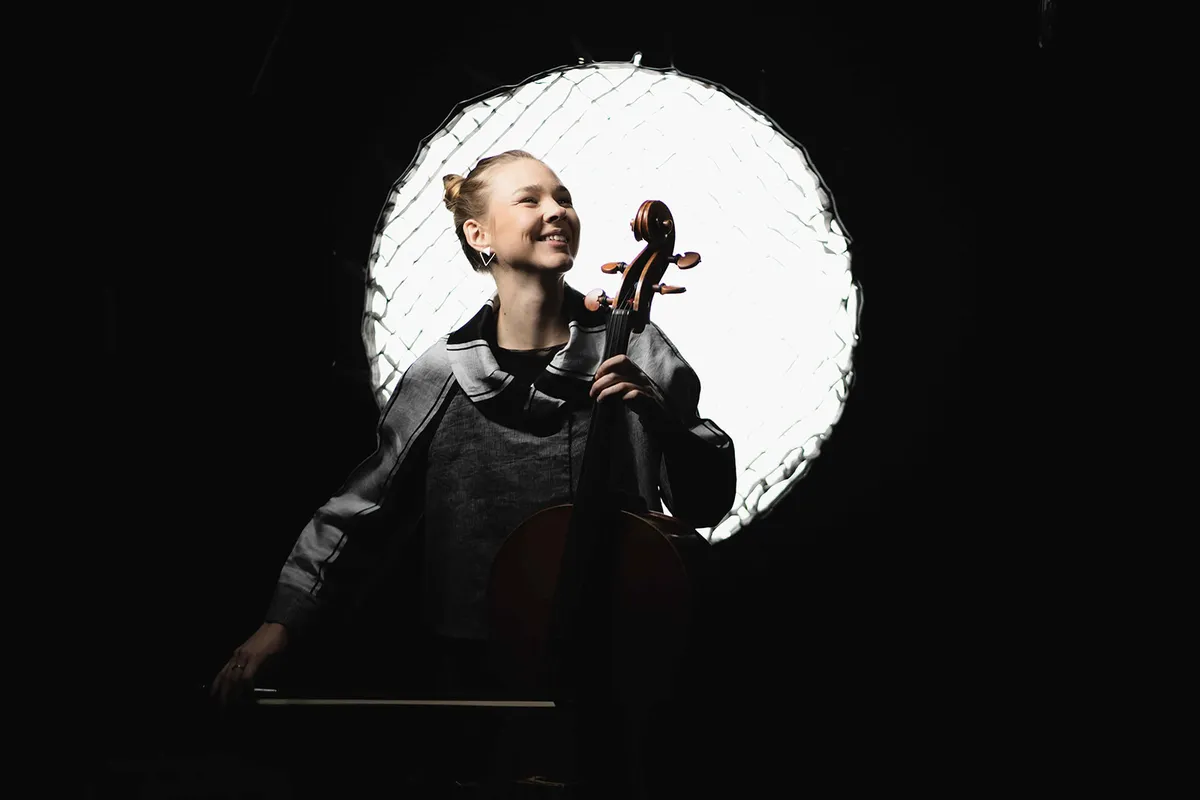 ΣΥΝΑΥΛΙΑ
Γιώργος Απέργης 80 – Ρεσιτάλ βιολοντσέλου της Valerie Fritz
Μέγαρο Μουσικής Αθηνών · Ιλίσια Με εισιτήριο ΣΥΝΑΥΛΙΑ