Η Ενάτη του Μπετόβεν – Σαν σήμερα, 200 χρόνια μετά
Βρείτε εισιτήρια →Πρακτικές Πληροφορίες
| Ημερομηνία | Παρασκευή 26 Μαρτίου |
|---|---|
| Τιμή | Με εισιτήριο |
| Εισιτήρια | Βρείτε εισιτήρια → |
| Χώρος | Μέγαρο Μουσικής Αθηνών (Ilisia) |
| Διεύθυνση | Vassilissis Sofias Avenue & Kokkali 1, Athens 115 21 |
Περιγραφή στα Αγγλικά
Beethoven died in Vienna on 26 March 1827. Two hundred years later — not roughly, but to the calendar day — the Athens State Orchestra answers the anniversary with the Ninth Symphony in the Megaron's Christos Lambrakis Hall: Η ΕΝΑΤΗ ΤΟΥ ΜΠΕΤΟΒΕΝ – ΣΑΝ ΣΗΜΕΡΑ, 200 ΧΡΟΝΙΑ ΜΕΤΑ, on Friday 26 March 2027 at 20:30.
The forces match the occasion. Christoph Poppen conducts — the German violinist turned conductor who founded the Cherubini Quartet in 1978, led the Munich Chamber Orchestra for over a decade, and has been music director of the Hong Kong Sinfonietta since 2023. Four soloists carry the finale: soprano Myrto Papathanasiou, mezzo-soprano Eirini Karagianni, tenor Dimitris Paksoglou, and bass Alexandros Stavrakakis — first-prize winner of the 2019 Tchaikovsky Competition, with house debuts at the Metropolitan Opera, the Bavarian State Opera and the Bolshoi already behind him. Behind the orchestra stand two choirs: the ERT Choir under Michalis Papapetrou and the Municipality of Athens Choir under Stavros Beris.
No programme in the repertoire pulls a wider room. Season subscribers who have heard twenty Ninths sit beside people attending their first orchestral concert because this is the one symphony they know they know. It is the concert people bring their parents and their teenagers to, and the hall behaves accordingly — full, alert, and unusually young at the edges.
The setting is the Lambrakis Hall's 1,960 seats facing a stage filled to its edges, two choirs banked at the back beneath the organ wall. The vibe is occasion-dress and multigenerational. The sound travels from the symphony's bare, hovering open fifths to the Ode to Joy with the combined weight of orchestra, four voices and two choruses. At the door, plan ahead rather than early: tickets go on sale 27 July 2026, a full eight months before the night.
The Ninth was first performed in Vienna in May 1824, by which time its composer could no longer hear it. It was the work that put voices into the symphony — Schiller's Ode to Joy, sung by soloists and chorus in a finale that European culture has been arguing with and borrowing from for two centuries. Hearing it live is a different fact from knowing it: the last movement's opening recitatives in the cellos and basses, the tenor's military march, the double fugue — none of it compresses into the anthem excerpt everyone owns.
If you are hunting rarities, this is the opposite of one — the most-programmed choral symphony in existence, and no reading of it changes that. But if you want the one performance where the calendar itself does half the interpreting — two hundred years to the day since Beethoven died — the date cannot be reprogrammed.
The Megaron stands directly above Megaro Moussikis metro station on Vasilissis Sofias avenue. Tickets run 25 to 60 EUR with concessions at 15 EUR, through webtics.megaron.gr and the box office from 27 July 2026.
Somewhere in the world the Ninth is played every week; two hundred years to the day since Beethoven's death happens exactly once.
Μέγαρο Μουσικής Αθηνών
Επόμενες εκδηλώσεις στο Μέγαρο Μουσικής Αθηνών
 ΣΥΝΑΥΛΙΑ
 ΣΥΝΑΥΛΙΑ
Εναρκτήρια συναυλία: Λουκάς Καρυτινός, Αλεξάνδρα Κονούνοβα και Χάννα Κιμ
Μέγαρο Μουσικής Αθηνών · Ιλίσια Με εισιτήριο ΘΕΑΤΡΟ
 ΣΥΝΑΥΛΙΑ
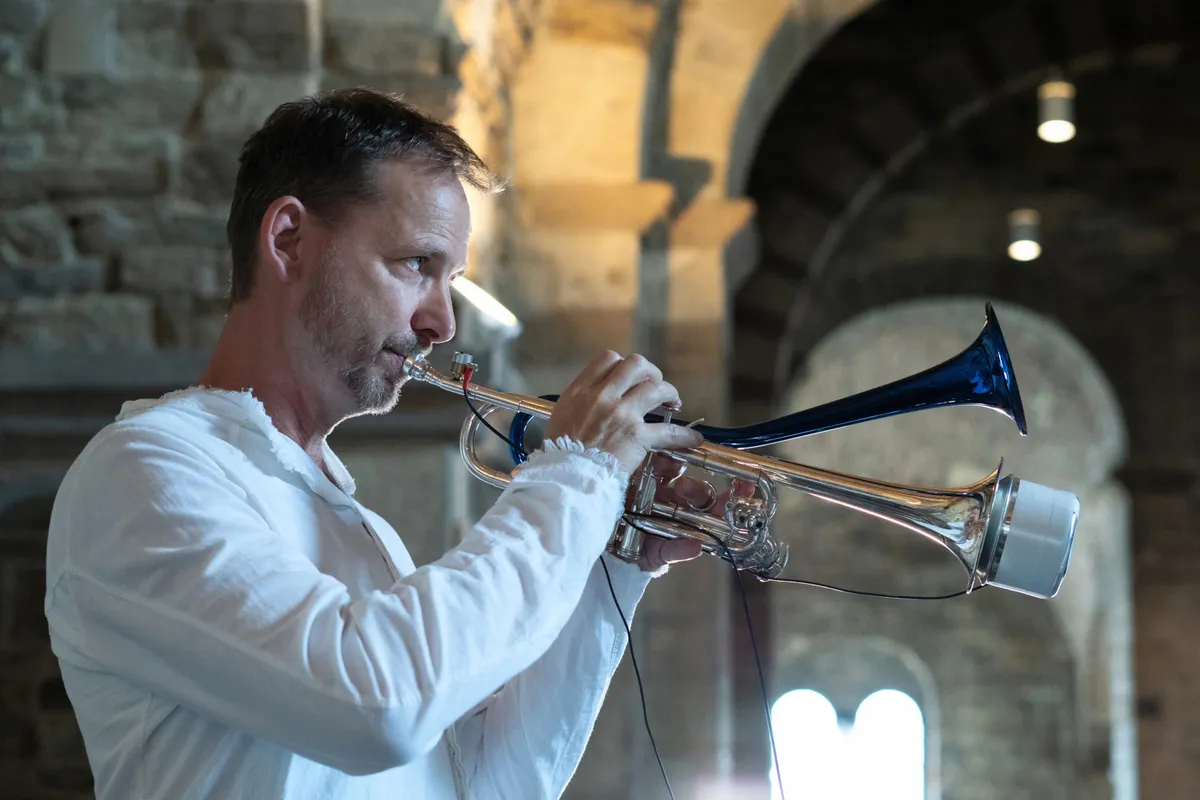
Γιώργος Απέργης 80 – Ρεσιτάλ τρομπέτας του Marco Blaauw
Μέγαρο Μουσικής Αθηνών · Ιλίσια Με εισιτήριο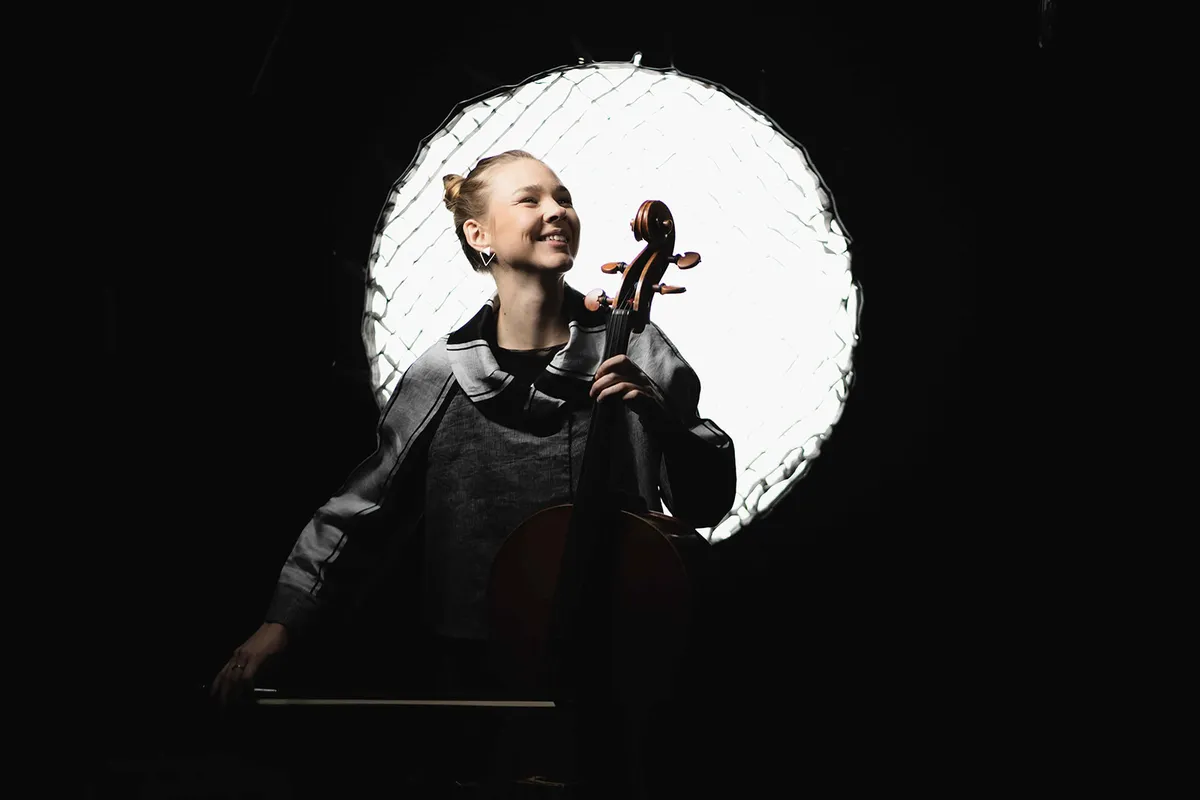 ΣΥΝΑΥΛΙΑ
Γιώργος Απέργης 80 – Ρεσιτάλ βιολοντσέλου της Valerie Fritz
Μέγαρο Μουσικής Αθηνών · Ιλίσια Με εισιτήριο ΣΥΝΑΥΛΙΑ