Η Δεκάτη του Σοστακόβιτς – 120 χρόνια από τη γέννηση του Ντμίτρι Σοστακόβιτς
Βρείτε εισιτήρια →Πρακτικές Πληροφορίες
| Ημερομηνία | Παρασκευή 5 Φεβρουαρίου |
|---|---|
| Τιμή | Με εισιτήριο |
| Εισιτήρια | Βρείτε εισιτήρια → |
| Χώρος | Μέγαρο Μουσικής Αθηνών (Ilisia) |
| Διεύθυνση | Vassilissis Sofias Avenue & Kokkali 1, Athens 115 21 |
Περιγραφή στα Αγγλικά
Eight years separate Shostakovich's Ninth Symphony from his Tenth — the longest gap in his symphonic life, and not an idle one: it contains the 1948 decree that branded him a formalist and swept his music from Soviet programmes. Stalin died in March 1953. By December the Tenth was on stage in Leningrad. Whether the symphony describes the era that had just closed or channels something older and more private is a question the Megaron's own programme note leaves open — and on Friday 5 February 2027 the Athens State Orchestra brings it to the Christos Lambrakis Hall, 120 years and a few months after the composer's birth in September 1906.
Michalis Oikonomou conducts. Trained at Boston University in conducting and composition, he directs ERT's National Symphony Orchestra, has served as artistic director of the Qatar Philharmonic, and was the first Greek conductor to take the podium of London's Royal Philharmonic Orchestra. The evening opens with the Piano Concerto of Michail Travlos, born in Piraeus in 1950, trained under Isang Yun in Berlin, and twice awarded composition prizes by the Hellenic Ministry of Culture. The soloist is Natalia Michailidou, the Istanbul-born Greek pianist who took her Concert Diploma at the École Normale de Musique de Paris, where she now teaches, and whose name is most often attached to French repertoire — Debussy above all.
An anniversary programme at the Lambrakis Hall assembles a particular crowd: Athens State Orchestra subscribers who plan their winter by conductor, conservatory students tracking how a living Greek concerto sits beside a Soviet monument, and listeners who come for the Shostakovich and stay to argue about what it means on the walk to the metro.
The second half is the argument itself. The Tenth's opening moderato unfolds slowly and takes up nearly half the symphony. The second movement is its opposite — barely four minutes of sustained orchestral violence, the passage some hear as a portrait of Stalinism at its harshest and others as fury with no address. Then the composer writes himself in: the four-note monogram D–E flat–C–B, DSCH in German notation, his own initials, threads through the third movement and returns in the finale until the orchestra is all but shouting his name. Whatever the second movement depicts, the last page belongs to Dmitri Shostakovich, spelled out and unmistakable.
If your ideal orchestral night is a familiar romantic arc with a hummable send-off, this is fifty minutes of E minor with teeth, prefaced by a living composer's concerto. But if you want to hear a symphony survive its own century in real time, few works do it more plainly.
The Christos Lambrakis Hall sits directly above Megaro Moussikis metro station. Tickets run 15, 20 and 25 EUR, with 8 EUR reduced seats; presale opens 27 July 2026, more than six months ahead. Come early: ticket holders get an introductory talk at 19:30, an hour before the 20:30 downbeat — for a symphony this argued-over, the context earns its hour.
One hundred and twenty years after Shostakovich's birth, Athens gets one Tenth for the anniversary — this is it.
Μέγαρο Μουσικής Αθηνών
Επόμενες εκδηλώσεις στο Μέγαρο Μουσικής Αθηνών
 ΣΥΝΑΥΛΙΑ
 ΣΥΝΑΥΛΙΑ
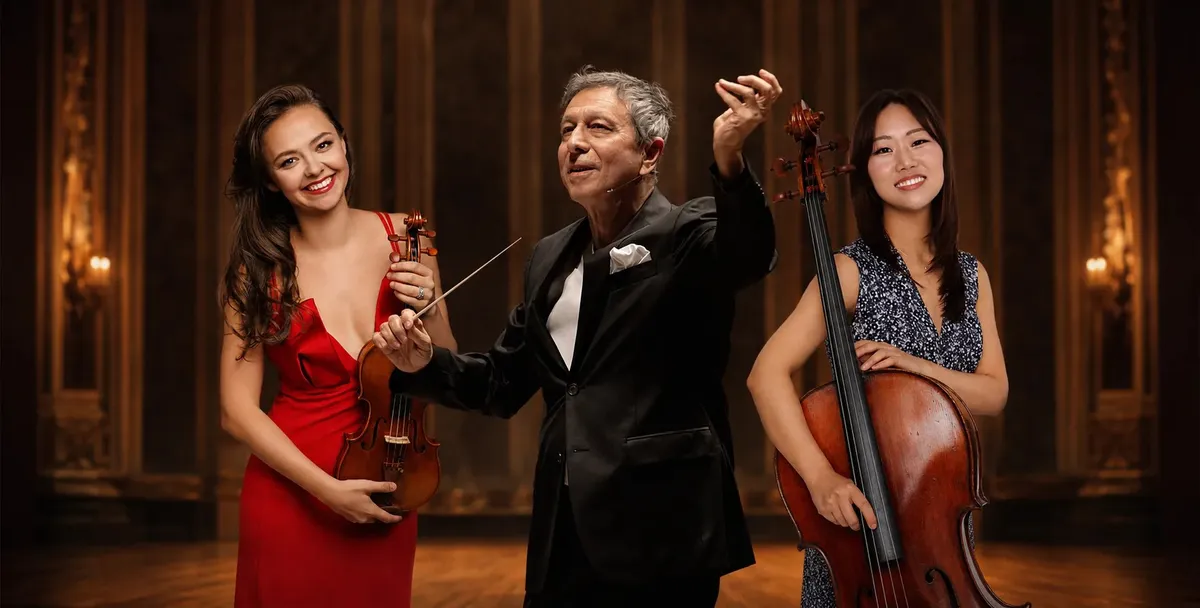
Εναρκτήρια συναυλία: Λουκάς Καρυτινός, Αλεξάνδρα Κονούνοβα και Χάννα Κιμ
Μέγαρο Μουσικής Αθηνών · Ιλίσια Με εισιτήριο ΘΕΑΤΡΟ
 ΣΥΝΑΥΛΙΑ
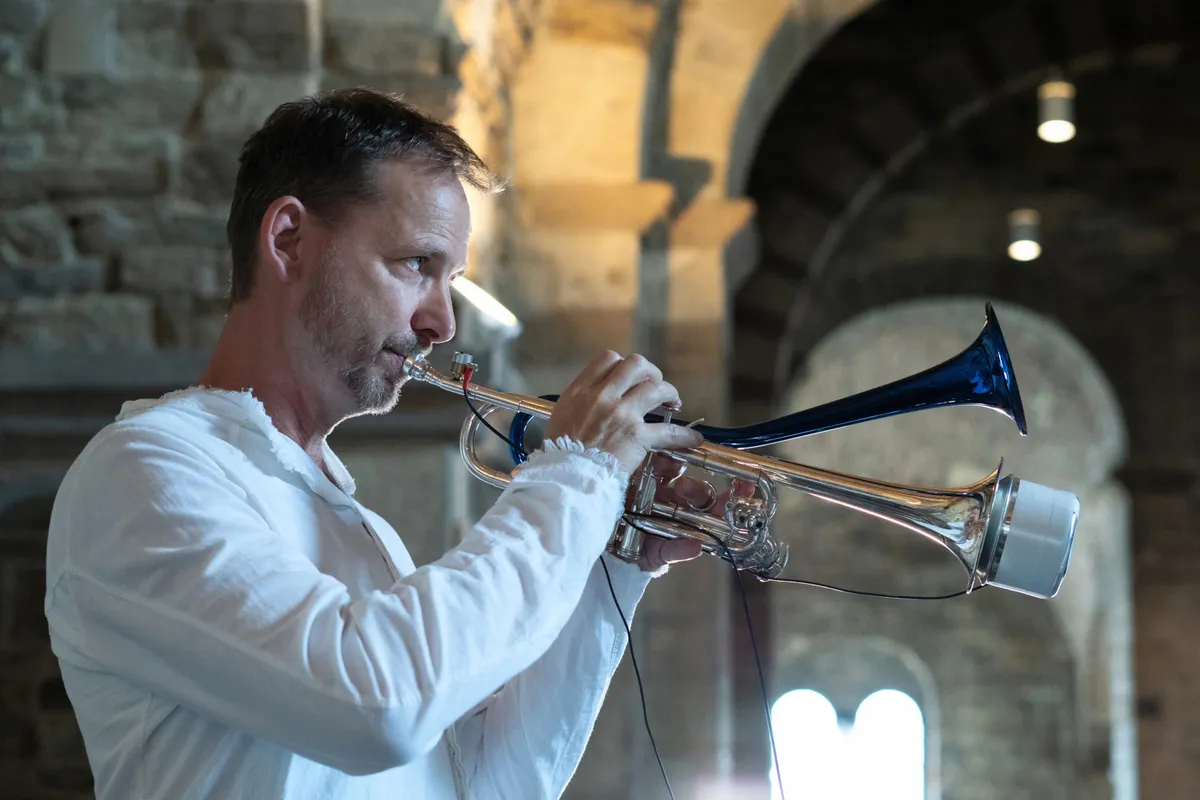
Γιώργος Απέργης 80 – Ρεσιτάλ τρομπέτας του Marco Blaauw
Μέγαρο Μουσικής Αθηνών · Ιλίσια Με εισιτήριο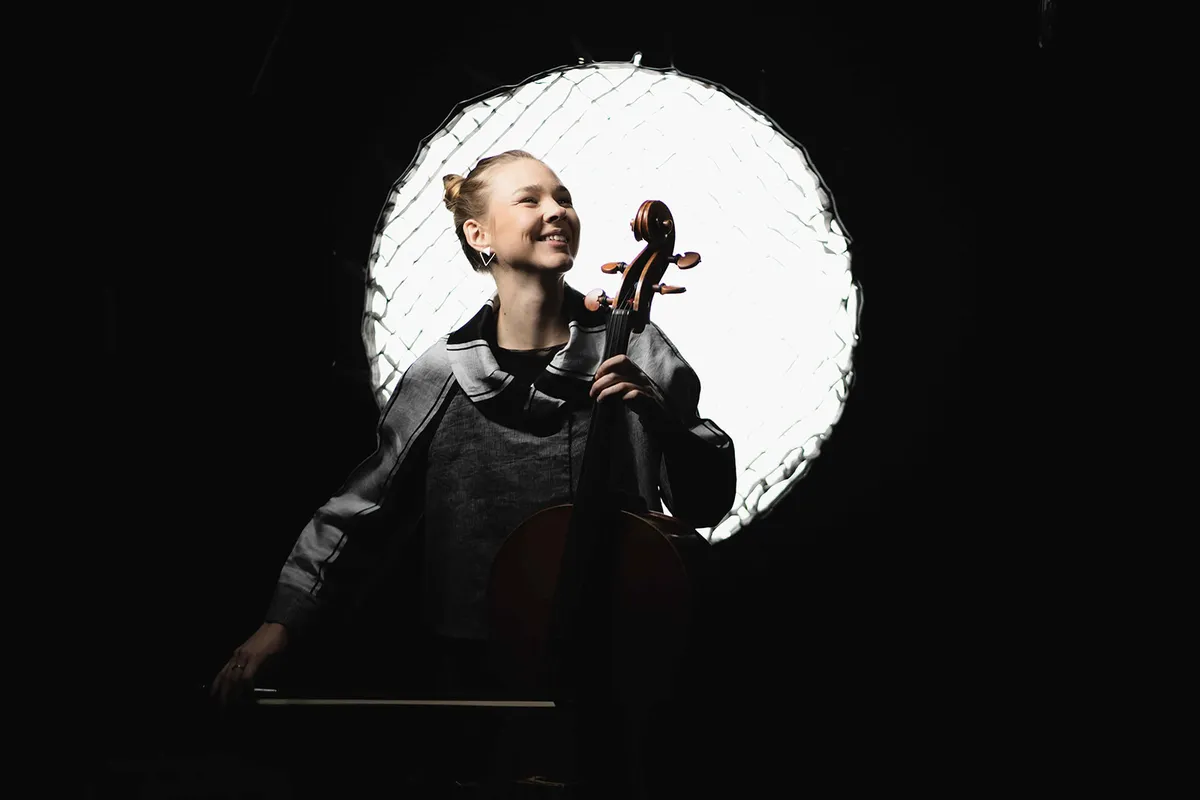 ΣΥΝΑΥΛΙΑ
Γιώργος Απέργης 80 – Ρεσιτάλ βιολοντσέλου της Valerie Fritz
Μέγαρο Μουσικής Αθηνών · Ιλίσια Με εισιτήριο ΣΥΝΑΥΛΙΑ