Μπρόνφμαν – Ραχμάνινοφ
Βρείτε εισιτήρια →Πρακτικές Πληροφορίες
| Ημερομηνία | Παρασκευή 26 Φεβρουαρίου |
|---|---|
| Τιμή | Με εισιτήριο |
| Εισιτήρια | Βρείτε εισιτήρια → |
| Χώρος | Μέγαρο Μουσικής Αθηνών (Ilisia) |
| Διεύθυνση | Vassilissis Sofias Avenue & Kokkali 1, Athens 115 21 |
Περιγραφή στα Αγγλικά
Rachmaninoff's Third Piano Concerto opens almost shyly — a plain melody in octaves over a murmuring orchestra — and then spends forty minutes raising the stakes until the piano part becomes one of the heaviest loads in the repertoire. Carrying it on Friday 26 February 2027 at 20:30 is Yefim Bronfman, with the Athens State Orchestra under Dionysis Grammenos in the Christos Lambrakis Hall of the Megaron. The billing — ΜΠΡΟΝΦΜΑΝ – ΡΑΧΜΑΝΙΝΟΦ — says exactly where the evening's gravity sits.
Bronfman's biography reads like a map of the last half-century of pianism: born in Tashkent in 1958, emigrated to Israel in 1973, an orchestral debut at seventeen with Zubin Mehta and the Montreal Symphony, the Avery Fisher Prize in 1991, a Grammy in 1997 for the three Bartók concertos with Esa-Pekka Salonen and the Los Angeles Philharmonic. His Rachmaninoff Third with the Berlin Philharmonic under Simon Rattle circulates on film. Grammenos, who conducts, was the first wind player ever named European Young Musician of the Year, took the ECHO Rising Star prize in 2013, and founded the Greek Youth Symphony Orchestra before a guest-conducting career that has run through the Houston Symphony and the London Philharmonic. The Athens State Orchestra is the Megaron's orchestra in residence, and this concert sits at the centre of its season.
The crowd assembles by allegiance: season subscribers who book by soloist, conservatory students with pocket scores in the upper tiers, couples who treat a Megaron Friday as an occasion, and a scattering of pianists who come to watch the hands. This is a room where a dropped programme is audible, and the audience keeps it that way.
The setting is the Lambrakis Hall's 1,960 seats raked toward a stage backed by the organ wall. The vibe is dressed-up without being stiff. The sound is late-Romantic weight before the interval and orchestral brilliance after it. At the door, ticket holders can arrive at 19:30 for the introductory talk that precedes the concert — worth the earlier start if you like knowing what the horns are about to do.
After the interval, Grammenos leads Bartók's Concerto for Orchestra, the 1943 score in which every section of the orchestra steps forward in turn — a pointed pairing, given that Bronfman's Grammy is a Bartók Grammy. Between the two works the programme covers both definitions of virtuosity: one soloist against an orchestra, then an orchestra full of soloists.
If you want an easy evening with the music in the background, forty minutes of dense Rachmaninoff demands more attention than that. But if you want to hear one of the instrument's heavyweights take on the concerto he has carried around the world, this is the night the season offers.
The Megaron stands directly above Megaro Moussikis metro station on Vasilissis Sofias avenue, a short walk from platform to foyer. Tickets run 25 to 60 EUR with concessions at 15 EUR, on sale from 27 July 2026 through webtics.megaron.gr and the box office.
One night, one concerto, and a pianist who has spent five decades earning the right to it.
Μέγαρο Μουσικής Αθηνών
Επόμενες εκδηλώσεις στο Μέγαρο Μουσικής Αθηνών
 ΣΥΝΑΥΛΙΑ
 ΣΥΝΑΥΛΙΑ
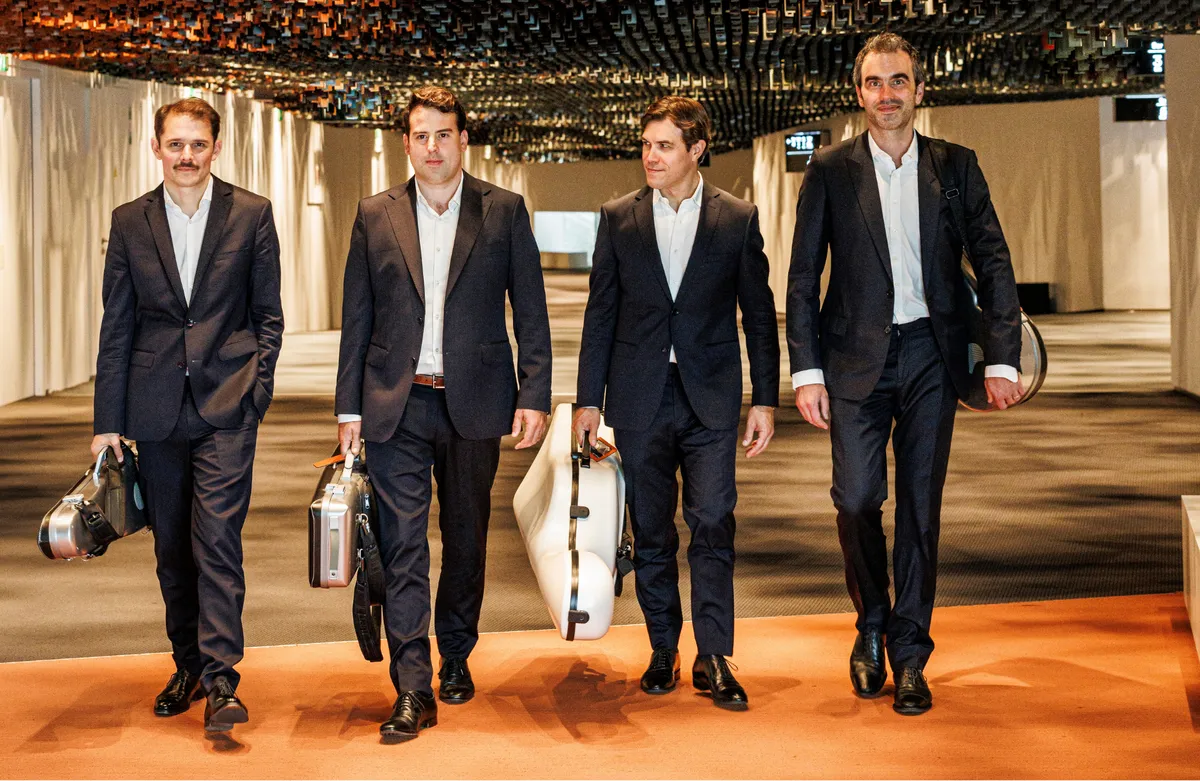
Εναρκτήρια συναυλία: Λουκάς Καρυτινός, Αλεξάνδρα Κονούνοβα και Χάννα Κιμ
Μέγαρο Μουσικής Αθηνών · Ιλίσια Με εισιτήριο ΘΕΑΤΡΟ
 ΣΥΝΑΥΛΙΑ
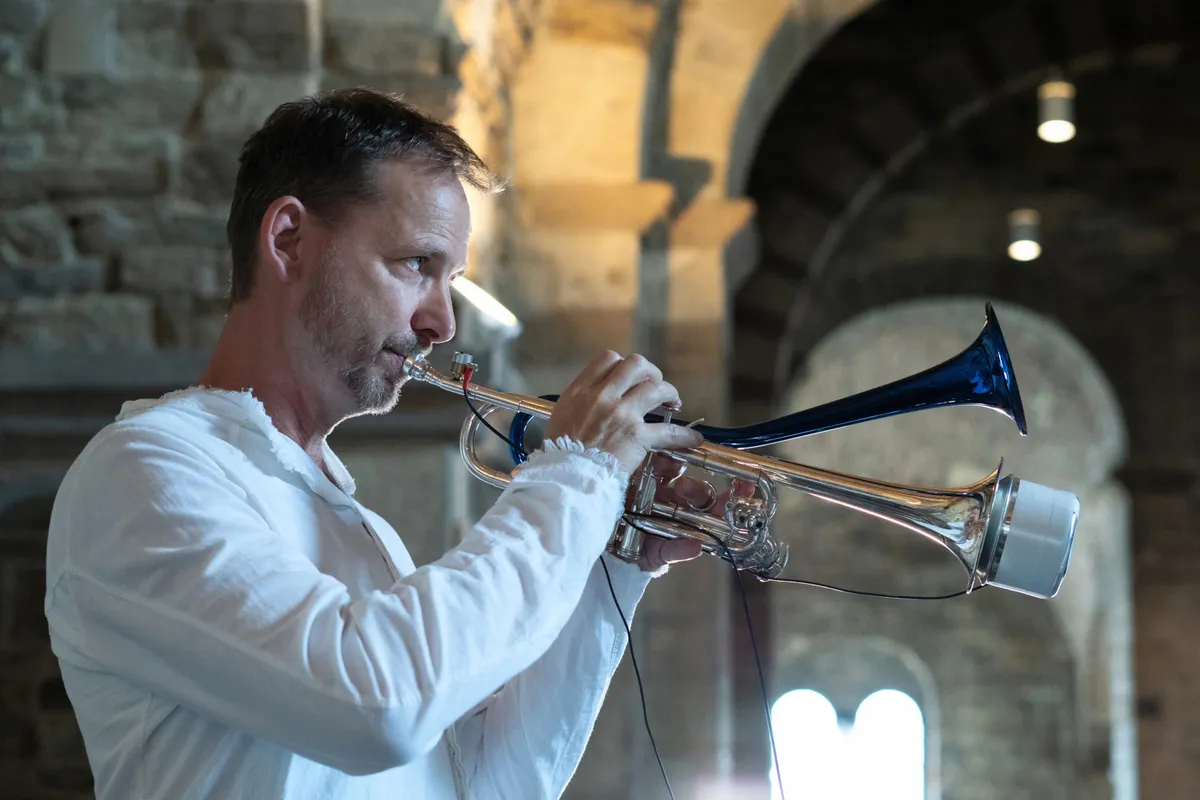
Γιώργος Απέργης 80 – Ρεσιτάλ τρομπέτας του Marco Blaauw
Μέγαρο Μουσικής Αθηνών · Ιλίσια Με εισιτήριο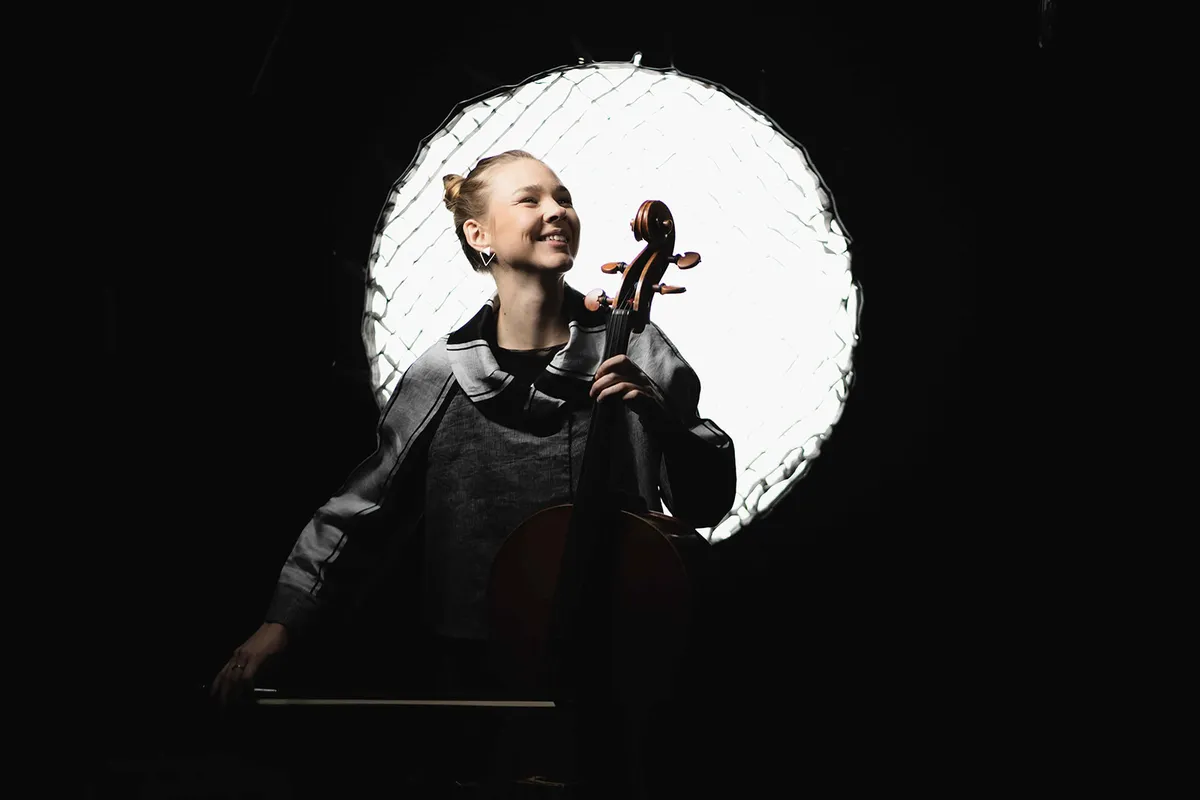 ΣΥΝΑΥΛΙΑ
Γιώργος Απέργης 80 – Ρεσιτάλ βιολοντσέλου της Valerie Fritz
Μέγαρο Μουσικής Αθηνών · Ιλίσια Με εισιτήριο ΣΥΝΑΥΛΙΑ