Το Χριστουγεννιάτικο ορατόριο του Λιστ
Βρείτε εισιτήρια →Πρακτικές Πληροφορίες
| Ημερομηνία | Σάββατο 19 Δεκεμβρίου |
|---|---|
| Τιμή | Με εισιτήριο |
| Εισιτήρια | Βρείτε εισιτήρια → |
| Χώρος | Μέγαρο Μουσικής Αθηνών (Ilisia) |
| Διεύθυνση | Vassilissis Sofias Avenue & Kokkali 1, Athens 115 21 |
Περιγραφή στα Αγγλικά
Liszt spent a dozen years assembling Christus, his three-hour oratorio on the life of Christ, and its opening third stands complete on its own. That is the piece the Κρατική Ορχήστρα Αθηνών brings to the Christos Lambrakis Hall on Saturday 19 December 2026 at 20:30 — «Το Χριστουγεννιάτικο ορατόριο του Λιστ», the Christmas Oratorio: five movements that travel from a quiet Advent introduction built on the plainchant Rorate coeli, through a pastorale and the angel's annunciation, a nearly unaccompanied Stabat Mater speciosa for choir, a shepherds' song at the manger, and the long, gathering march of the Three Holy Kings.
Michalis Zeke conducts the State Orchestra of Athens — the Megaron's orchestra in residence — with the Choir of the Municipality of Athens and four Greek soloists: soprano Chrysa Maliamani, mezzo-soprano Chrysanthi Spitadi, tenor Andreas Karaoulis, and bass Petros Magoulas.
The other work on the programme is a first. Zoltán Kodály's Budavári Te Deum, written in 1936 for the 250th anniversary of the recapture of Buda and premiered that September in the Matthias Church, is marked in the listing as the first time the State Orchestra of Athens performs it — ninety years after it was written.
KOA's Lambrakis Hall subscription nights draw a crowd that arrives early and reads the programme — regulars who treat the pre-concert quarter hour as part of the evening.
The setting is the Megaron's main hall at full strength: orchestra, choir, and four solo voices on one stage. The vibe is seasonal and formal without stiffness — this is a concert, not a carols night. The sound swings between near-a-cappella choral writing and the full weight of the orchestra. The door is a five-tier ladder: 50, 40, 30 and 20 EUR, with 12 EUR reduced seats, and presale opens 27 July 2026.
The two works pull in opposite directions. Liszt's nativity music spends most of its length quiet — the drama is in restraint, a manger scene rather than a spectacle — until the Kings' march finally lets the orchestra walk at full stride. Kodály answers with a Te Deum in his Hungarian folk-inflected idiom, compact and celebratory, a work that spread across Europe within a few years of its premiere. Hearing them back to back is the point of the programming: the same sacred impulse, seventy years apart, one inward, one triumphal.
If your December concert needs carols you can hum, neither work will supply one. But if you want the rarer seasonal repertoire — a nativity told through restraint, paired with a Te Deum this orchestra has never played before — this is the night built for it.
The Megaro Moussikis metro station connects to the hall through an underground passage, so you can arrive without crossing Vasilissis Sofias in the December cold. Book from 27 July onward.
Liszt's nativity and a Kodály first for the orchestra, six days before Christmas — a seasonal programme without a single carol in it.
Μέγαρο Μουσικής Αθηνών
Επόμενες εκδηλώσεις στο Μέγαρο Μουσικής Αθηνών
 ΣΥΝΑΥΛΙΑ
 ΣΥΝΑΥΛΙΑ
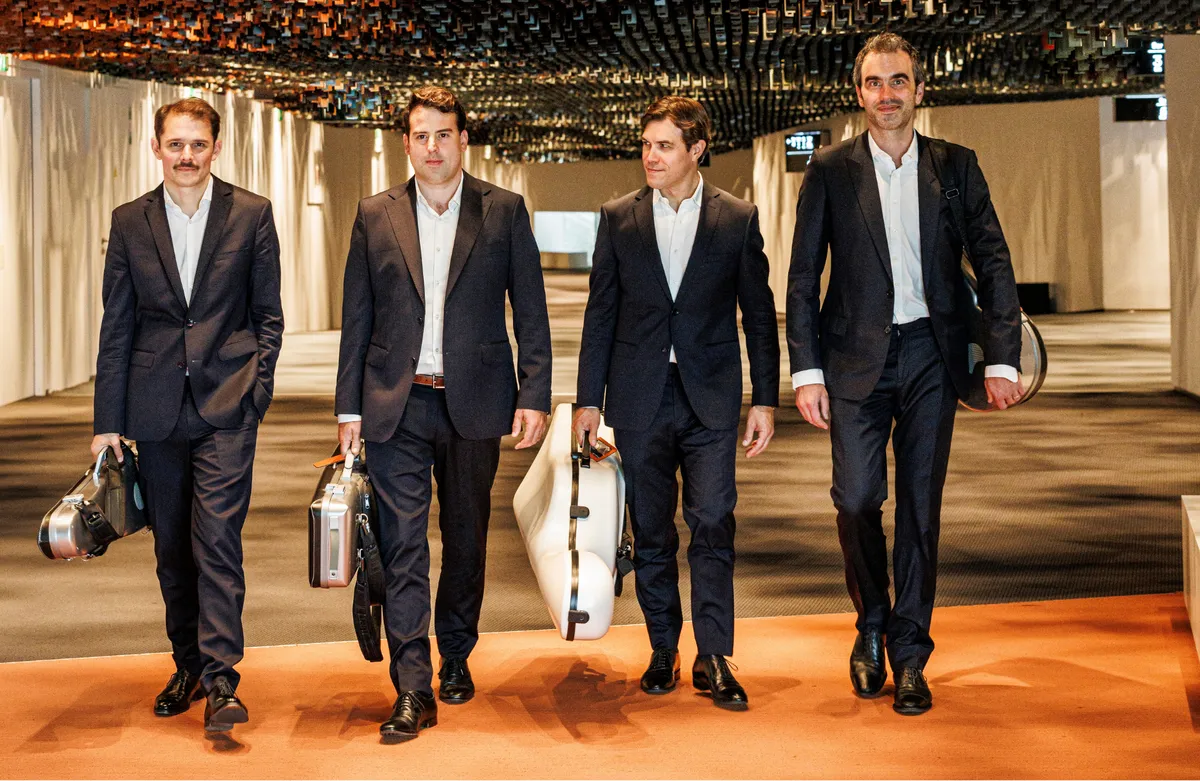
Εναρκτήρια συναυλία: Λουκάς Καρυτινός, Αλεξάνδρα Κονούνοβα και Χάννα Κιμ
Μέγαρο Μουσικής Αθηνών · Ιλίσια Με εισιτήριο ΘΕΑΤΡΟ
 ΣΥΝΑΥΛΙΑ
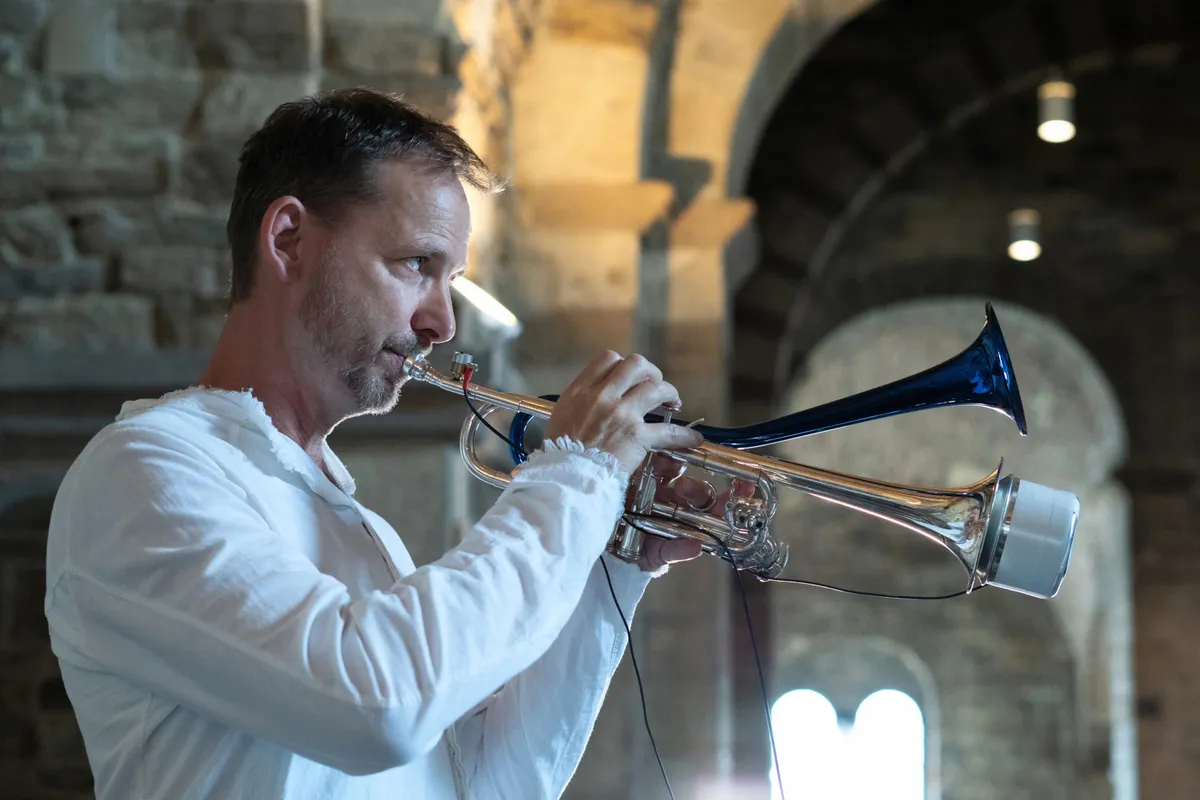
Γιώργος Απέργης 80 – Ρεσιτάλ τρομπέτας του Marco Blaauw
Μέγαρο Μουσικής Αθηνών · Ιλίσια Με εισιτήριο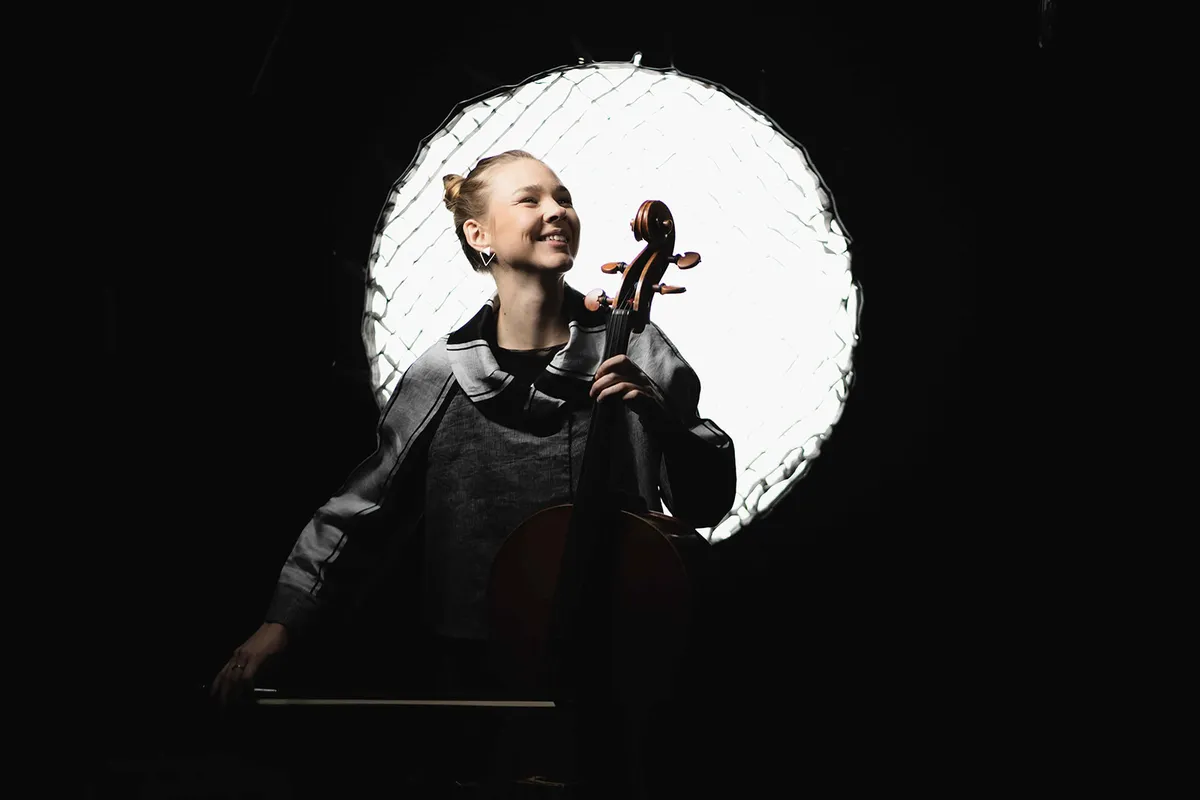 ΣΥΝΑΥΛΙΑ
Γιώργος Απέργης 80 – Ρεσιτάλ βιολοντσέλου της Valerie Fritz
Μέγαρο Μουσικής Αθηνών · Ιλίσια Με εισιτήριο ΣΥΝΑΥΛΙΑ