Μπράμς, Λουγκάνσκυ
Βρείτε εισιτήρια →Πρακτικές Πληροφορίες
| Ημερομηνία | Παρασκευή 20 Νοεμβρίου |
|---|---|
| Τιμή | Με εισιτήριο |
| Εισιτήρια | Βρείτε εισιτήρια → |
| Χώρος | Μέγαρο Μουσικής Αθηνών (Ilisia) |
| Διεύθυνση | Vassilissis Sofias Avenue & Kokkali 1, Athens 115 21 |
Περιγραφή στα Αγγλικά
A solo horn sounds the opening phrase, the piano answers before the orchestra has fully gathered, and for a moment Brahms's Second Piano Concerto behaves less like a showpiece than a conversation between two instruments. Then the full State Orchestra of Athens enters and the scale of it becomes clear: four movements, close to fifty minutes, a concerto so large that Brahms self-deprecatingly called it a tiny piano concerto with a wisp of a scherzo.
Nikolay Lugansky plays the solo part. The Russian pianist built his name on the Romantic repertoire — Rachmaninoff, Brahms, Chopin — and on a control that lets density read as clarity rather than sheer weight. Stanislav Kochanovsky conducts. The State Orchestra of Athens, the hall's orchestra in residence, holds the stage for both halves of the evening.
The crowd for a Friday Brahms programme at the Lambrakis Hall sorts itself by intent: subscribers who track the orchestra season by season, piano students watching Lugansky's left hand from the stalls, and listeners who come for the Fourth Symphony and stay silent through its final bars.
The setting is the Christos Lambrakis Hall, the Megaron's largest room, 1,960 seats raked toward a stage backed by a six-thousand-pipe organ. The mood is formal without being stiff — a subscription concert, not a gala. The sound is unamplified orchestral weight, the reason the room was built. The door is seated and ticketed across five price tiers.
After the interval comes Brahms's Symphony No. 4 in E minor, his last, which ends not in triumph but in a passacaglia: thirty variations over a repeating bass line, a form he borrowed from the Baroque and drove to a hard, unresolved close. Placed after the concerto's warmth, the Fourth darkens the evening on purpose.
If you want a short recital to catch before dinner, this is a full symphonic programme that runs past two hours with the interval. But if you want to hear one orchestra move from Brahms's most expansive concerto to his most tightly argued symphony in a single sitting, the Lambrakis Hall is built to carry every register of it.
The Megaron sits directly above Megaro Moussikis metro station, one stop from Syntagma; arrive early enough to cross the wide foyer without rushing, since latecomers wait for a pause in the music before the ushers seat them. Tickets run from €15 to €60.
Lugansky, Kochanovsky and the State Orchestra pair late Brahms with later Brahms for one night, and the second half never lightens.
Μέγαρο Μουσικής Αθηνών
Επόμενες εκδηλώσεις στο Μέγαρο Μουσικής Αθηνών
 ΣΥΝΑΥΛΙΑ
 ΣΥΝΑΥΛΙΑ
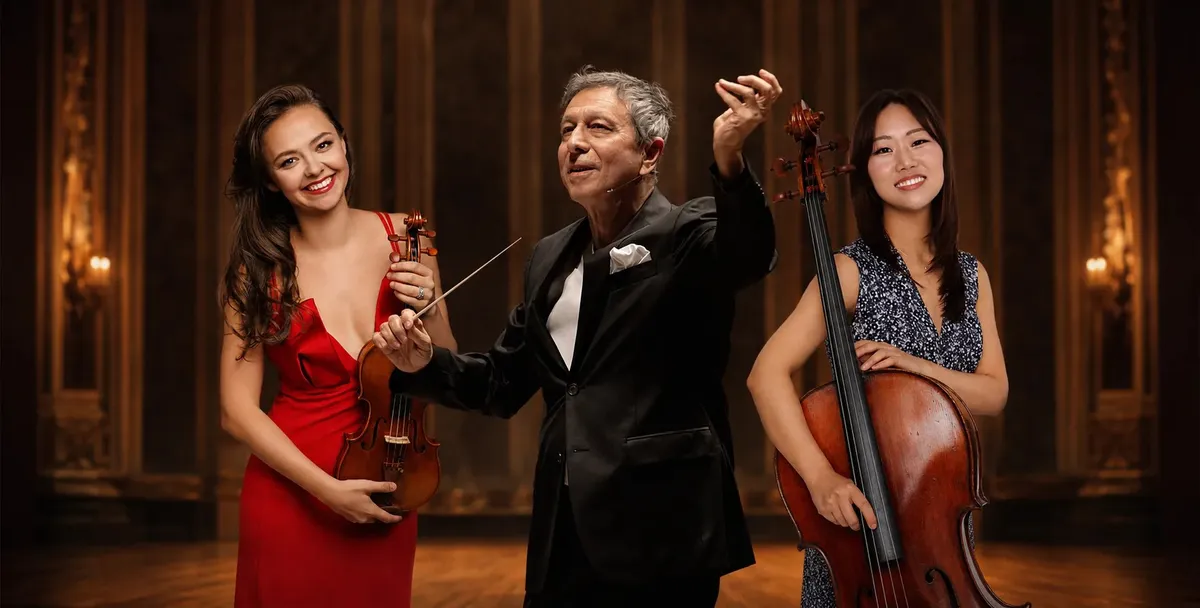
Εναρκτήρια συναυλία: Λουκάς Καρυτινός, Αλεξάνδρα Κονούνοβα και Χάννα Κιμ
Μέγαρο Μουσικής Αθηνών · Ιλίσια Με εισιτήριο ΘΕΑΤΡΟ
 ΣΥΝΑΥΛΙΑ
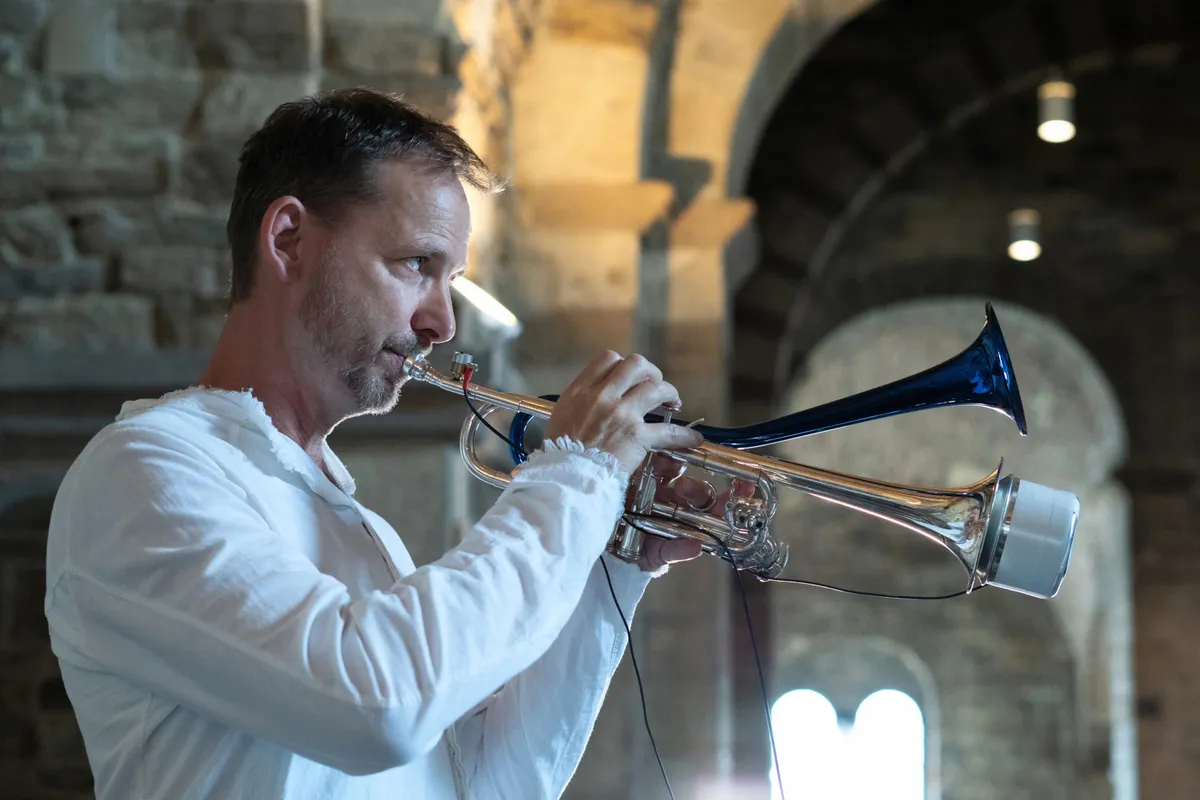
Γιώργος Απέργης 80 – Ρεσιτάλ τρομπέτας του Marco Blaauw
Μέγαρο Μουσικής Αθηνών · Ιλίσια Με εισιτήριο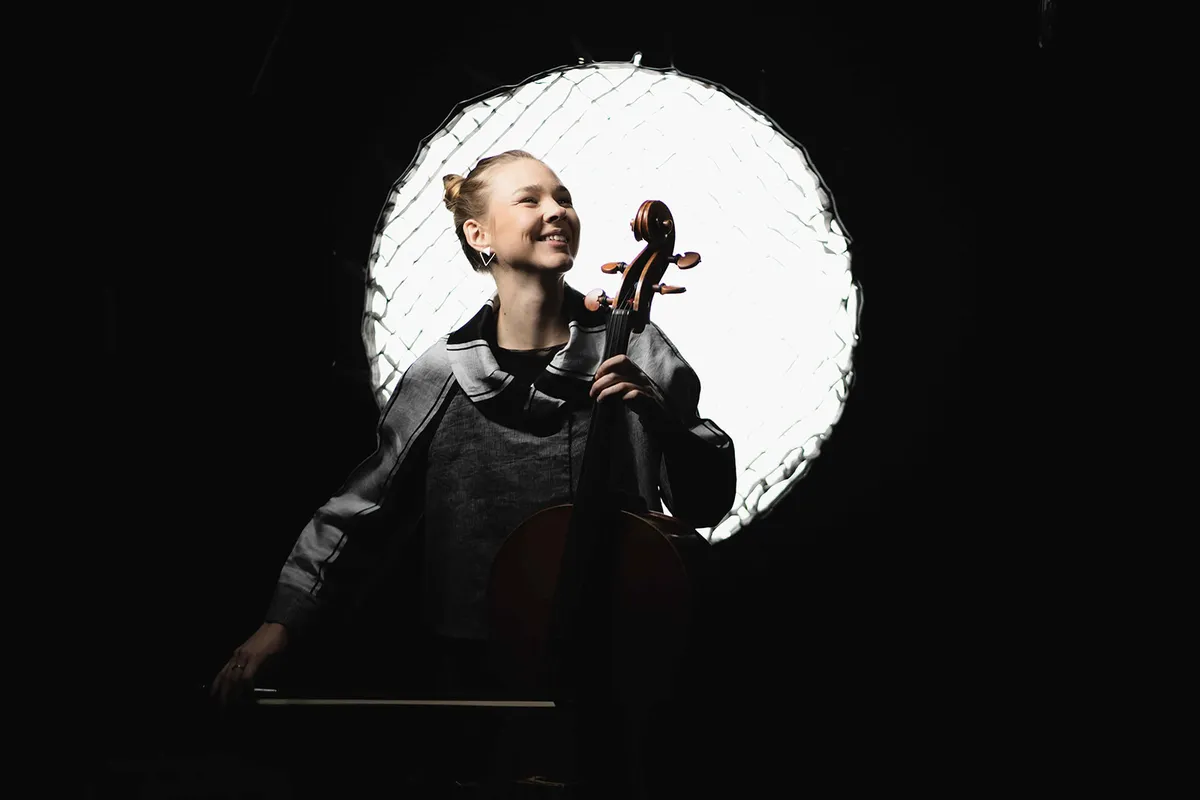 ΣΥΝΑΥΛΙΑ
Γιώργος Απέργης 80 – Ρεσιτάλ βιολοντσέλου της Valerie Fritz
Μέγαρο Μουσικής Αθηνών · Ιλίσια Με εισιτήριο ΣΥΝΑΥΛΙΑ